

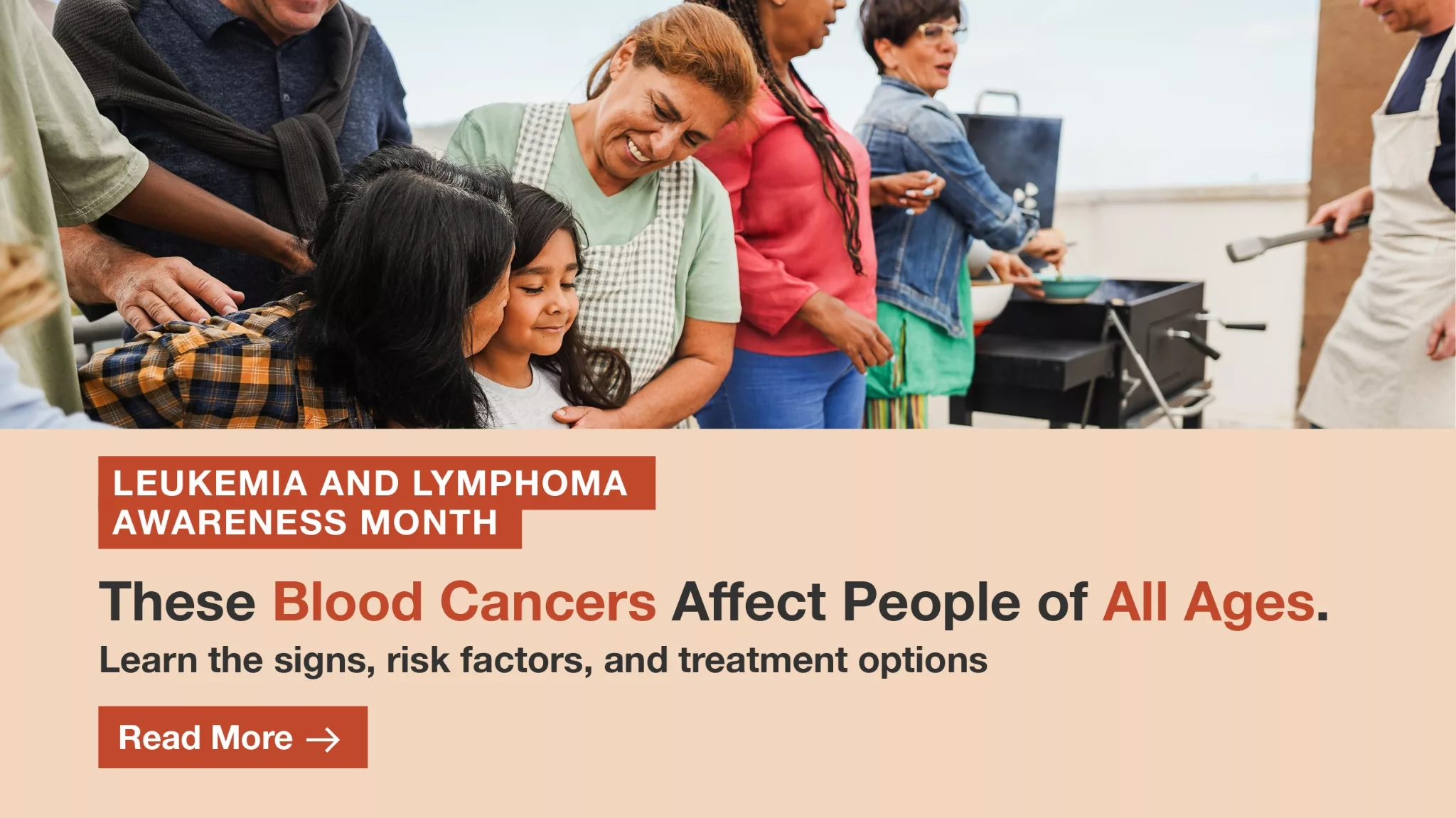
What Are Leukemia and Lymphoma?
Leukemia is a cancer of the blood and bone marrow. It typically begins in the cells that would become white blood cells, leading to the production of abnormal cells that crowd out healthy ones. Leukemia is categorized based on how quickly it progresses, either fast-growing (acute) or slow growing (chronic), and by the type of white blood cells it affects. The main types include, but are not limited to:
- Acute lymphoblastic leukemia (ALL): Most common in young children but can also occur in adults.
- Acute myeloid leukemia (AML): A fast-growing leukemia that is more common in adults, though it can also affect children.
- Chronic lymphocytic leukemia (CLL): The most common chronic leukemia in adults. Some people may feel well for years before needing treatment.
- Chronic myeloid leukemia (CML): Primarily affects adults. Symptoms may be mild or absent for a long time before progressing more rapidly.
- Other rare types: These include hairy cell leukemia, myelodysplastic syndromes, and myeloproliferative disorders.
Lymphoma is a cancer of the lymphatic system, which is part of the body’s immune system. It begins in lymphocytes; a type of white blood cell that helps fight infection. There are two main types of lymphoma:
- Hodgkin lymphoma: This type starts in B lymphocytes (B cells) and typically affects lymph nodes in the upper body. It often spreads in an orderly pattern from one node to the next.
- Non-Hodgkin lymphoma (NHL): Also begins in lymphocytes but can develop in lymph tissue throughout the body, including the lymph nodes, spleen, bone marrow, thymus, tonsils, adenoids, and digestive tract. NHL includes many subtypes, ranging from slow growing to more aggressive forms.
Symptoms to Watch For
Signs of leukemia and lymphoma can be subtle or resemble other conditions. Common symptoms include:
- Fatigue or weakness
- Fever or night sweats
- Frequent infections
- Swollen lymph nodes
- Unexplained weight loss
- Easy bruising or bleeding
- Bone or joint pain
If symptoms persist or worsen, it’s important to talk with your healthcare provider.
Who is at Risk?
While anyone can develop blood cancer, certain factors may increase risk:
- Age: leukemia is more common in order adults, though some types affect children
- Gender: lymphoma and leukemia are slightly more common in males
- Family History: a history of blood cancers may raise your risk
- Immune System Disorders: autoimmune diseases or immunosuppressive therapy may be contributing factors
- Exposure to certain chemicals or radiation
- Previous chemotherapy and radiation, smoking (AML)
Understanding your risk factors and staying proactive with your health can lead to earlier diagnosis and more treatment options.
Diagnosis and Treatment
Diagnosis may involve blood tests, bone marrow biopsies, imaging, or lymph node biopsies, depending on the symptoms and suspect type of cancer. Treatment is highly individualized and may include chemotherapy, targeted therapy, immunotherapy, radiation therapy, or bone marrow or stem cell transplant. Our oncology care team will work closely with you to develop a personalized treatment plan based on the type and stage of the patient’s cancer, as well as overall health and treatment goals.