by Jessica Mason Hewitt | Oct 5, 2026 | Uncategorized
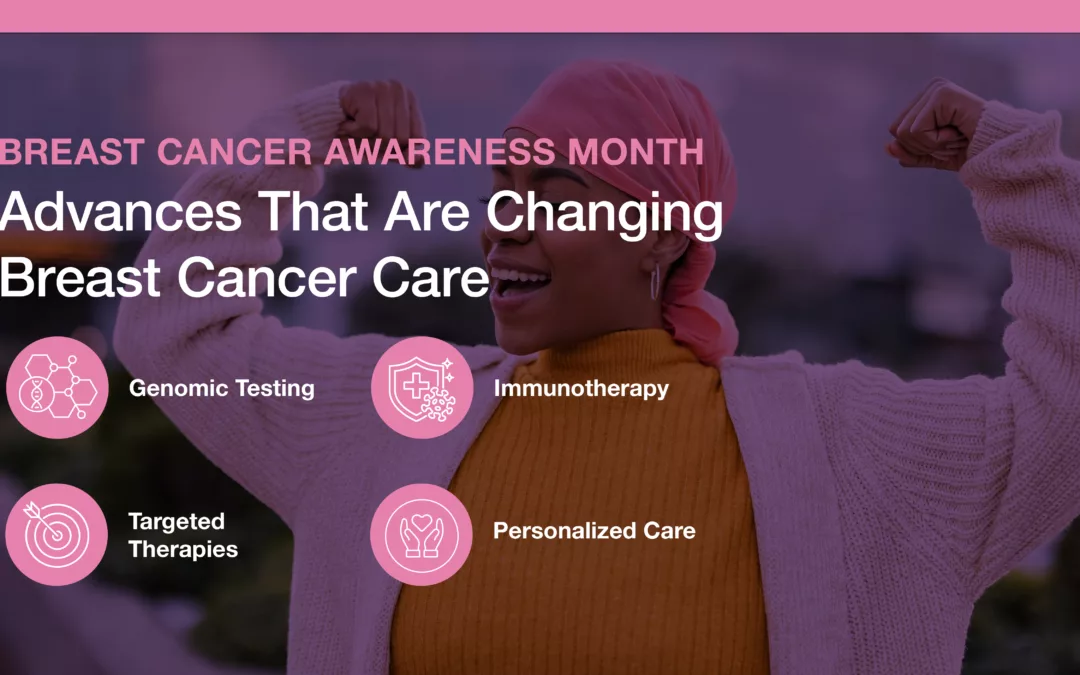
Advances in breast cancer care are making treatment increasingly personalized, giving care teams more information about individual cancers and which therapies may be most effective. Today, a breast cancer diagnosis can involve much more than identifying the location and stage of a tumor. Physicians can also evaluate the biological and molecular characteristics of the cancer to help guide treatment decisions.
During breast cancer awareness month, conversations often focus on screening and early detection. Those remain critically important, but awareness can also include understanding the progress being made in how breast cancer is diagnosed, treated, and managed. From genomic testing and targeted therapies to immunotherapy and survivorship care, continued advances are helping shape a more individualized approach to breast cancer.
Looking Beyond the Type and Stage of Breast Cancer
Breast cancers that may appear similar can behave very differently. That is why treatment planning often considers several characteristics of the cancer in addition to its stage.
After a breast cancer diagnosis, tumor tissue is typically tested for biomarkers such as estrogen receptors (ER), progesterone receptors (PR), and HER2. These results can help classify the cancer and identify treatments that may be more likely to work.
Other factors, including a patient’s overall health, menopausal status, medical and family history, and how the cancer responds to treatment, may also influence the treatment plan. The result is an approach that is increasingly focused not simply on treating breast cancer, but on treating the specific breast cancer in a specific patient.
How Is Genomic Testing Used in Breast Cancer Care?
Genomic testing can provide information about the genes or patterns of gene activity within breast cancer cells that may help guide treatment decisions. Depending on the type and stage of breast cancer, these tests may help predict how the cancer is likely to behave, whether it may return or whether certain treatments are likely to provide benefit.
For some patients with early-stage breast cancer, gene expression tests can help estimate the likelihood that cancer will return and whether chemotherapy is likely to provide additional benefit.
It is important to distinguish genomic testing of a tumor from inherited genetic testing. Tumor genomic testing looks for characteristics within cancer cells that may help guide treatment. Inherited genetic testing looks for changes a person was born with, such as certain BRCA1 or BRCA2 variants, that can be passed through families and may affect cancer risk.
Not every patient needs every type of testing. A care team can determine which tests may provide useful information based on the individual diagnosis.
Targeted Therapies Are Expanding Treatment Options
One of the most significant changes in breast cancer care has been the development of therapies designed to target specific features that help cancer cells grow and survive.
For example, targeted therapies may be used for certain cancers depending on the specific characteristics of the cancer and clinical situation:
- HER2-positive or HER2-low breast cancers
- Hormone receptor-positive breast cancers
- Triple-negative breast cancers
- Breast cancers associated with BRCA1 or BRCA2 mutations
Targeted therapy is a form of precision medicine. Rather than approaching every breast cancer in the same way, these treatments are selected based on characteristics of the cancer that may make it vulnerable to a particular therapy.
As researchers continue to identify new biomarkers and molecular targets, treatment options continue to evolve.
Who May Benefit From Immunotherapy for Breast Cancer?
Immunotherapy works differently from treatments that attack cancer cells directly. Instead, it helps the immune system recognize and fight cancer.
While immunotherapy is not appropriate for every breast cancer, it has become an important treatment option for some patients with triple-negative breast cancer. Biomarker testing may also be used in certain situations to help determine whether a cancer is likely to respond to immunotherapy. Depending on the stage and characteristics of the cancer, immunotherapy may be used in combination with other treatments, such as chemotherapy.
Research continues to explore how immunotherapy may benefit additional groups of patients and how it can be combined with other treatments.
Personalized Treatment Means Finding the Right Approach for Each Patient
Personalized breast cancer treatment is not one specific test or therapy. It is an approach that brings together multiple pieces of information to determine the treatment plan that makes the most sense for an individual patient.
A care team may consider:
- Cancer stage and tumor size
- Hormone receptor and HER2 status
- Tumor grade
- Genomic or biomarker test results
- Inherited genetic factors when relevant
- Overall health and medical history
- Previous treatments
- Patient preferences and goals
Treatment may still include established approaches such as surgery, radiation therapy, chemotherapy and hormone therapy. Advances in testing and precision medicine help providers determine which treatments, or combinations of treatments, may be most appropriate.
For some patients, personalization may mean adding a targeted therapy. For others, it may help identify when a particular treatment is unlikely to provide enough benefit to justify its risks.
Looking Ahead in Breast Cancer Care
Breast Cancer Awareness Month is represented by pink, but the progress happening in breast cancer care extends far beyond a ribbon.
Advances in genomic testing, targeted therapy, immunotherapy and personalized treatment are giving care teams more tools to understand each cancer and tailor care accordingly. At the same time, a growing focus on survivorship is helping address the needs of patients beyond active treatment.
Research continues to move breast cancer care forward. For patients, that progress means more information, more individualized treatment options and care that increasingly reflects the unique characteristics of both the cancer and the person facing it.
Questions about your treatment schedule? Contact our office directly at 843-790-8280 or speak with your care coordinator.
by Jessica Mason Hewitt | Sep 23, 2026 | Uncategorized
Getting a referral to an oncologist is a moment that stops most people in their tracks. Even if you have been through a lot medically, walking into a cancer specialist’s office for the first time feels different. The stakes feel higher, the vocabulary is unfamiliar, and there is often a lot of information coming at you quickly.
The good news is that a little preparation goes a long way. Knowing what to bring, what to ask, and what to expect can help you feel more in control of a situation that can otherwise feel overwhelming. And when you walk in prepared, your care team can spend less time gathering background information and more time focused on you.
This guide is for anyone heading into their first appointment at Lowcountry Oncology Associates, whether you are the patient or the caregiver sitting in the chair next to them.
Bring a Complete Medication List
Your care team needs to know everything you are taking, not just prescription medications but over-the-counter drugs, vitamins, supplements, and herbal products too. Some supplements interact with chemotherapy and other cancer treatments in ways that are not always obvious, and your oncologist needs the complete picture to keep you safe.
The simplest approach is to write it all down before your appointment. For each item, include the name, the dose, and how often you take it. If writing it out feels like too much, take photos of all your medication bottles and bring your phone or you can ask your pharmacy to print a copy.
Be honest and thorough. There is no judgment here. Your care team asks because it matters for your safety.
Bring Your Insurance Information
Bring your insurance card and know your plan name and member ID. If you have secondary insurance, bring that information too. Cancer treatment involves many moving parts on the administrative side, and having your insurance information ready at your first visit helps your team start the process of verifying benefits and understanding what is covered.
If you have concerns about cost or coverage, mention it at your first appointment. Lowcountry Oncology Associates has financial counselors who can help navigate insurance, assist with prior authorizations, and connect patients with financial assistance programs when needed. You do not have to figure this out alone.
Write Down Your Questions
Your first oncology appointment will cover a lot of ground. It is easy to walk out feeling like you forgot to ask something important. Writing your questions down beforehand means you will not have to rely on memory in a moment when a lot is happening.
Some questions worth considering for a first visit:
- What type of cancer do I have, and what does that mean specifically?
- What stage is it, and what does that tell us about how it behaves?
- What additional tests or imaging do you need before recommending a treatment plan?
- What are my treatment options, and what are the potential benefits and side effects of each?
- How will treatment affect my daily life, my work, and my ability to care for my family?
- Are there clinical trials I should know about?
- Who do I call if I have a question or a symptom between appointments?
You will not get through every question in a first visit, and that is okay. Prioritize the two or three that matter most to you right now. The relationship with your care team is ongoing, and there will be more conversations ahead.
Bring a notebook or use the notes app on your phone to write down what you hear. A lot of information comes at once, and having it written down means you can revisit it later when you are ready to process it.
Bring a Support Person
If at all possible, bring someone with you to your first appointment. A spouse, partner, family member, or close friend who can sit with you, listen alongside you, and help you remember what was said is genuinely valuable.
Two sets of ears catch more than one. When you are in the room and processing difficult information, it is hard to absorb everything at once. A support person can take notes, ask follow-up questions, and help you recall the details of the conversation afterward.
Your support person does not need to speak unless they want to. Their presence alone matters. Many patients find that simply not being alone in the room makes the conversation easier to sit through.
If you are not able to bring someone in person, ask your care team whether a family member can join by phone. Many practices can accommodate that.
For caregivers reading this: your presence is not a small thing. Showing up with your person, paying attention, and being a second memory for them is one of the most concrete ways you can help during a time when helping can feel abstract.
What to Expect at the Appointment
Your first oncology appointment is primarily a consultation. Your oncologist will review your records and imaging, ask you about your medical history and symptoms, perform a physical exam, and begin to discuss what comes next. Depending on how much information is already available, they may be able to outline a treatment plan at this visit, or they may need additional tests before doing so.
It is normal to leave a first appointment without a complete plan. It does not mean something is wrong. It means your care team is being thorough.
At Lowcountry Oncology Associates, your first appointment will also introduce you to your care coordinator, who serves as your primary point of contact throughout your treatment. They are the person to call when you have questions between appointments, need help coordinating records or referrals, or are not sure who to reach out to about something. Building that relationship early makes the road ahead easier.
A Note to Caregivers
If you are reading this because someone you love has been diagnosed with cancer, and you are helping them prepare for their first appointment, you are already doing something important.
Help them gather their records. Sit with them while they write their questions. Drive them to the appointment and come inside. Take notes. Ask the questions they forget to ask.
And take care of yourself too. Supporting someone through a cancer diagnosis is its own weight to carry. Your Lowcountry Oncology Associates team can connect you with resources for caregivers, including counseling, support groups, and practical assistance. You do not have to put yourself last to take good care of someone else.
Frequently Asked Questions
What if I do not have all my records before the appointment? Bring what you have and let your care team know what is still pending. The most critical documents are your pathology report and imaging. If you are having trouble obtaining records, your [Practice Name] care coordinator can help you contact the right facilities and request what is needed.
How long will my first appointment take? Plan for at least one to two hours. First appointments cover a lot of ground, including your medical history, a review of your records and imaging, a physical exam, and a discussion of next steps. Arriving a few minutes early to complete paperwork helps the appointment start on time.
Can I bring more than one support person? Policies vary by practice and by exam room space. Call Lowcountry Oncology Associates ahead of your appointment to ask. In many cases at least one support person is welcome, and if others want to join remotely, that is worth asking about too.
What if I do not understand something the doctor says? Ask them to explain it again, or differently. You are never obligated to nod along when something is unclear. Your care team wants you to leave with a clear understanding of your situation. There is no question too basic to ask.
What happens after the first appointment? That depends on where you are in the diagnostic process. You may be scheduled for additional tests, imaging, or a follow-up appointment to discuss a treatment plan. Your care coordinator will walk you through the next steps before you leave and will be your point of contact in the days that follow.
by Jessica Mason Hewitt | Sep 9, 2026 | Uncategorized
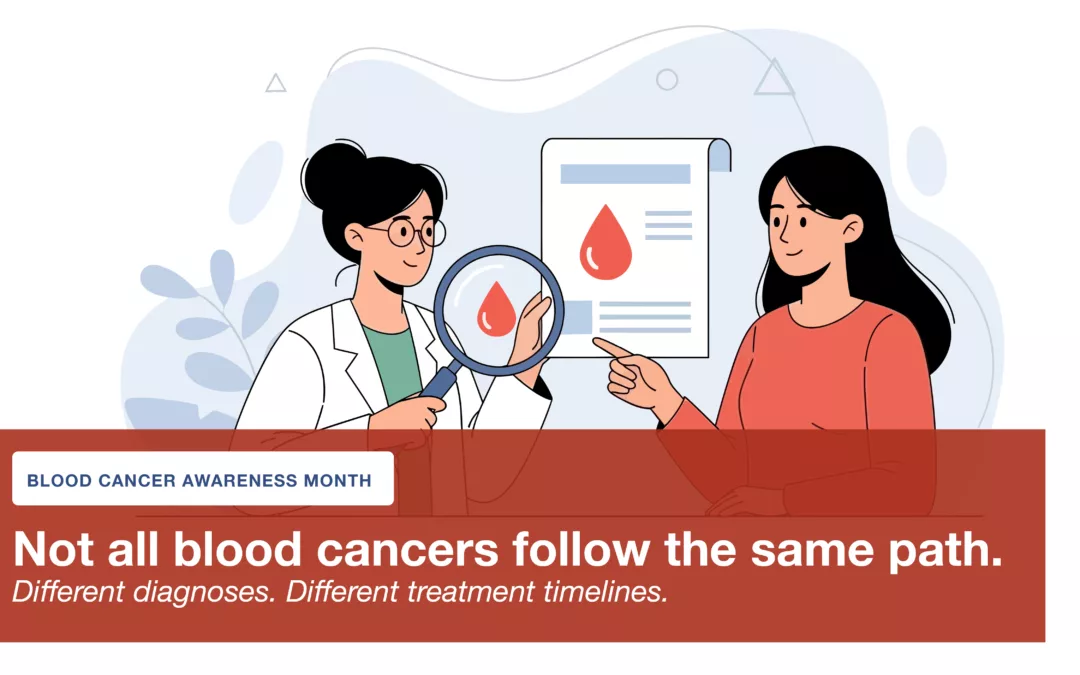
When most people hear the word cancer, they picture urgency. A diagnosis, a treatment plan, and a race to get ahead of it. For many cancers, that picture is accurate. But for blood cancers, the story is more varied than most people realize, and understanding that variation can change how patients and families experience a diagnosis from the very first conversation.
Some blood cancers are aggressive and require treatment to begin within days or weeks. Others are slow-moving by nature, and the right approach is not to treat immediately but to watch carefully, sometimes for months, sometimes for years, before any intervention is needed. Both of these paths are legitimate. Both are evidence-based. And both require a care team that understands the difference.
September is Blood Cancer Awareness Month. It is a good time to talk honestly about what blood cancer actually is, why it does not follow a single script, and what patients and caregivers can expect when they walk through the door at Lowcountry Oncology Associates.
Blood Cancer Is Not One Disease
Hematologic malignancy, or blood cancer, is the umbrella term for a broad group of cancers that affect the blood, bone marrow, and lymphatic system. Leukemia, lymphoma, and multiple myeloma are all hematologic malignancies. So are myeloproliferative neoplasms, commonly called MPNs, a distinct group of blood cancers that include conditions such as polycythemia vera, essential thrombocythemia, and myelofibrosis. Each of these represents a different type of blood cancer with its own biology, behavior, and treatment approach.
- Leukemia ranges from acute forms like AML and ALL, which are fast-moving and require immediate treatment, to chronic forms like CLL and CML, which often progress slowly and may be managed over years.
- Lymphoma divides broadly into aggressive subtypes like diffuse large B-cell lymphoma, which are treated urgently, and indolent subtypes like follicular lymphoma, which may not need treatment right away.
- Multiple myeloma is generally not curable but is increasingly manageable as a chronic condition, with treatment focused on disease control and quality of life.
- MPNs, including essential thrombocythemia, polycythemia vera, and myelofibrosis, are a distinct group of blood cancers in which the bone marrow produces too many blood cells. Some patients with MPNs live with their diagnosis for many years before treatment beyond monitoring is needed.
When Treatment Starts Right Away
For patients diagnosed with an aggressive blood cancer, the pace of care is fast, and that can feel overwhelming. An acute leukemia diagnosis, for example, often leads to hospitalization within days. The urgency is real, and it is worth understanding why.
Aggressive blood cancers can change quickly. The window to intervene effectively is not open indefinitely. Starting treatment promptly gives patients the best chance of achieving remission and getting ahead of the disease before it progresses or spreads further.
At Lowcountry Oncology Associates, when a patient is facing an aggressive diagnosis, our care team moves quickly to confirm the diagnosis, classify the disease accurately, and build a treatment plan without unnecessary delay.
For patients and caregivers in this situation, it is completely normal to feel scared and to feel like things are moving faster than you can process. Our team is here to walk alongside you through that pace, explain what is happening and why at every step, and make sure you understand your options even when decisions need to be made quickly.
When Watching Is the Right First Step
For patients diagnosed with a slow-moving blood cancer, the recommendation to hold off on treatment can feel counterintuitive. It is natural to want to do something. Waiting can feel like inaction.
But in hematologic oncology, watchful waiting, more precisely called active surveillance or watch-and-wait, is not passive. It is a deliberate clinical strategy based on strong evidence that treating certain blood cancers before they cause symptoms or meet specific treatment thresholds does not improve outcomes and can expose patients to side effects unnecessarily.
A patient newly diagnosed with CLL who has no symptoms and a low disease burden, for example, may be followed closely for years without starting any treatment. The same can be true for a patient with follicular lymphoma or an MPN like essential thrombocythemia. Regular bloodwork, physical exams, and periodic imaging track whether and how the disease is changing, and treatment begins when defined clinical criteria are met.
This approach requires trust between the patient and their care team. It requires honest conversations about what to watch for, what symptoms to report, and what the plan is if the disease progresses. At Lowcountry Oncology Associates, active surveillance is not a hands-off approach. It is a structured, collaborative process, and our patients are never left to wonder whether something has changed.
Why the Specific Diagnosis Matters So Much
One of the most important things a patient or caregiver can understand about blood cancer is that the name of the disease is only the beginning of the story. The subtype, the molecular and genetic profile, the stage, the patient’s age and overall health, and even the specific cell markers present on the cancer cells all shape what treatment looks like.
Two patients who both have non-Hodgkin lymphoma may end up on completely different treatment paths depending on their specific subtype. A patient with CLL whose cancer carries a deletion in chromosome 17p faces a different prognosis and different treatment considerations than a patient with CLL without that mutation.
This is why accurate, comprehensive diagnosis is so critical at the outset. At [Practice Name], we take the time to ensure that the diagnostic workup is thorough before any treatment plan is finalized. Getting the diagnosis right, including the molecular and genetic details, is not a delay. It is the foundation of a treatment plan that is built for that specific patient.
Multidisciplinary Care and the Role of Your Lowcountry Oncology Team
Blood cancers are among the most complex diagnoses in oncology, and managing them well is rarely the work of a single physician. Hematologists and medical oncologists, pathologists, radiologists, transplant specialists, and supportive care teams all contribute to a patient’s care depending on the disease and where they are in their journey.
At Lowcountry Oncology Associates, our patients benefit from a care model that connects them to the right expertise at the right time. When a case warrants a multidisciplinary review, we make that happen. When a patient may benefit from a bone marrow transplant evaluation or a clinical trial, we facilitate those conversations.
For caregivers especially, it can be reassuring to know that your loved one’s care is not resting on one set of shoulders. There is a team behind every recommendation, and that team is paying attention.
What to Expect When You Come to Us
Whether a patient is newly diagnosed, has been referred for a second opinion, or has been living with a blood cancer diagnosis for years and is wondering whether something has changed. The first thing we want them to know is that this is a conversation.
At Lowcountry Oncology Associates, we do not hand patients a protocol and send them on their way. We explain what we know, what we are still working to understand, what the options are, and what we would recommend and why. We make room for questions. We talk about quality of life, not just disease control. And we are honest when the picture is complicated, because it often is.
Blood cancer can be a long road for many patients. Our goal is to make sure no one is walking it alone.
Frequently Asked Questions
If my blood cancer is slow-moving, why do I need to see an oncologist regularly? Because even indolent blood cancers can change. Regular monitoring lets your care team identify if and when treatment becomes appropriate. Early detection of progression means more options and better outcomes.
What does a typical workup look like after a blood cancer diagnosis? Most workups involve blood tests, a bone marrow biopsy, imaging such as a CT or PET scan, and molecular and genetic testing. These classify the specific subtype and molecular profile of your disease, which directly shapes your treatment plan.
How do I know if my treatment plan is right for my specific diagnosis? Ask your care team to explain why they are recommending a particular approach for your specific subtype and clinical situation. You should understand not just what the plan is but why it fits you. A second opinion is always reasonable, and a confident care team will support that.
What is the difference between a hematologist and an oncologist for blood cancer? Many physicians who treat blood cancers are trained in both fields and carry the designation hematologist-oncologist. At [Practice Name], our team has the expertise to manage the full spectrum of blood cancer diagnoses.
What should caregivers know when supporting someone with a blood cancer diagnosis? Blood cancer can be a long road, and the weight on caregivers is real. Staying informed, attending appointments when possible, and asking for support for yourself all matter. Our team can connect caregivers with social work resources and support groups.
Questions about your treatment schedule? Contact our office directly at 843-790-8280 or speak with your care coordinator.

by Jessica Mason Hewitt | Sep 3, 2026 | Uncategorized
Prostate cancer is the most commonly diagnosed cancer among men in the United States, yet the conversation around it has changed significantly in recent years. Where treatment once followed a more uniform path, today’s approach is shaped by the individual: the biology of the cancer, the patient’s overall health, their values, and their goals.
This shift toward personalization is one of the most meaningful advances in oncology. For men diagnosed with prostate cancer, and for the families supporting them, understanding what modern treatment looks like can make an enormous difference in how they navigate the road ahead.
September is Prostate Cancer Awareness Month. It is a good time to look at how far treatment has come, and what patients can expect from a care team that is equipped to meet them where they are.
Active Surveillance: When Watching Is the Right Treatment
Not every prostate cancer requires immediate intervention. For men diagnosed with low-risk, slow-growing prostate cancer, active surveillance has become a well-established and evidence-backed approach that allows patients to avoid or delay the side effects of treatment while the cancer is carefully monitored over time.
Active surveillance is not the same as doing nothing. It involves a structured schedule of PSA testing, physical exams, imaging, and periodic biopsies to track whether the cancer is changing. If monitoring reveals progression, treatment can begin promptly.
The goal is to protect quality of life by reserving surgery, radiation, and other interventions for the patients who truly need them, and at the time they need them. For many men with low-risk prostate cancer, this means years, sometimes decades, of close monitoring without ever requiring active treatment.
Choosing active surveillance requires a high degree of trust between a patient and their care team. The decision involves an honest conversation about the specifics of the diagnosis, the patient’s preferences, and a shared commitment to consistent follow-through. At Lowcountry Oncology Associates, those conversations are a central part of how we approach newly diagnosed patients.
Precision Medicine: Treating the Biology, Not Just the Diagnosis
Two men can receive the same prostate cancer diagnosis and have tumors that behave very differently at the molecular level. Precision medicine recognizes this reality and uses genomic and molecular testing to understand the biology of an individual’s cancer, so treatment can be matched to what is actually driving it.
Genomic tests such as Oncotype DX Genomic Prostate Score, Decipher, and Prolaris analyze tissue from a biopsy to assess how aggressive a tumor is likely to behave. These tools help physicians and patients make more informed decisions about whether active surveillance is appropriate, whether treatment is needed, and which treatment is most likely to be effective.
For men with advanced or metastatic prostate cancer, tumor profiling can identify specific genetic mutations, such as BRCA1, BRCA2, or CDK12, that may open the door to targeted therapies. Testing for mismatch repair deficiency and microsatellite instability can identify patients who may respond to immunotherapy.
Precision medicine does not replace clinical judgment. It informs it. When clinically appropriate, genomic testing can complement traditional prognostic factors, such as PSA levels, Gleason score, and clinical stage, to give physicians and patients a more complete picture. The result is a treatment plan that is built around the individual patient, not a standard protocol applied broadly.
Targeted Therapy: Treatments Designed for Specific Tumor Characteristics
Building on the foundation of genomic testing, targeted therapies are drugs designed to act on specific molecular features of a cancer rather than affecting all rapidly dividing cells as traditional chemotherapy does.
For prostate cancer, one of the most significant developments in targeted therapy involves PARP inhibitors, a class of drugs that interfere with the ability of cancer cells to repair their DNA. Patients whose tumors carry mutations in genes like BRCA2 may respond particularly well to PARP inhibitors such as olaparib or rucaparib. These therapies have shown meaningful results in men with metastatic castration-resistant prostate cancer who have progressed on other treatments.
Hormone therapy, or androgen deprivation therapy, has long been a cornerstone of prostate cancer treatment and continues to evolve. Newer-generation androgen receptor pathway inhibitors, including enzalutamide, apalutamide, and darolutamide, offer more potent suppression of the hormones that fuel prostate cancer growth and have demonstrated improved outcomes across multiple disease settings.
The landscape of targeted therapy for prostate cancer is expanding. Clinical trials are actively investigating new targets and combinations, and patients at Lowcountry Oncology Associates may have access to trials that extend beyond standard-of-care options.
PSMA Imaging: Seeing the Cancer With Greater Clarity
One of the most significant recent advances in prostate cancer care is the development of prostate-specific membrane antigen, or PSMA, imaging. PSMA is a protein expressed at high levels on prostate cancer cells, and PET scans using PSMA-targeted tracers can detect cancer spread with a level of sensitivity and precision that conventional imaging often cannot match.
For patients with biochemical recurrence, meaning rising PSA levels after initial treatment with no clearly identifiable source on standard imaging, PSMA PET scans have changed the clinical picture significantly. Studies have shown that PSMA PET detects recurrent or metastatic disease in a substantial proportion of patients whose conventional CT and bone scans come back negative.
The clinical implications are real. When cancer can be seen more clearly and earlier, treatment decisions are better informed. A patient who might previously have been treated broadly, or not at all, can now receive more targeted, appropriate intervention based on where the disease actually is.
PSMA technology has also given rise to a new treatment approach: PSMA-targeted radioligand therapy. Lutetium-177 PSMA-617 (Pluvicto) delivers targeted radiation directly to PSMA-expressing cancer cells throughout the body and was approved by the FDA for certain patients with metastatic castration-resistant prostate cancer. It represents a meaningful step forward for patients with limited remaining options.
Multidisciplinary Care: No Single Specialist Has the Full Picture
Prostate cancer care at its best is not the work of a single physician. It is the product of collaboration across specialties: medical oncology, urology, radiation oncology, radiology, pathology, genetics, and supportive care all play a role depending on where a patient is in their journey.
A multidisciplinary approach means that treatment decisions are made with input from multiple perspectives before a plan is finalized. Tumor boards, where specialists review complex cases together, allow the full picture of a patient’s diagnosis to be considered collectively rather than in clinical silos.
For patients, this translates to confidence that the treatment recommendation they receive has been scrutinized from multiple angles. It also means that as their disease evolves, whether they move from active surveillance to treatment, or from first-line therapy to a second-line option, there is a coordinated team behind that decision.
At Lowcountry Oncology Associates, we work within an integrated care model that connects patients to the specialists and resources they need, when they need them. Whether a patient is newly diagnosed and weighing surveillance against treatment, or managing advanced disease and exploring new options, our team is built to support the full arc of their care.
What This Means for Patients and Families
The personalization of prostate cancer treatment is not an abstract concept. It has practical consequences for the men navigating a diagnosis and the people who love them.
It means that a diagnosis of prostate cancer is not a single story with a single ending. It means that questions about quality of life, about fertility, about sexual function, and about the tradeoffs between treatment and watchful waiting are legitimate and important parts of the clinical conversation. It means that genomic test results and imaging findings are not just data points, they are tools that help shape a plan that reflects who a patient is, not just what their pathology report says.
If you or someone in your family has been diagnosed with prostate cancer, or is facing questions about a rising PSA, the most important first step is a conversation with a care team that has both the expertise and the time to listen.
Your Lowcountry Oncology Associates team is ready for that conversation.

by Jessica Mason Hewitt | Aug 21, 2026 | Uncategorized
Receiving a cancer diagnosis often means meeting several new healthcare professionals in a short amount of time. While your oncologist leads your treatment, they’re part of a larger team dedicated to supporting your care every step of the way.
Each member of your cancer care team has a unique role, from coordinating appointments and managing side effects to providing nutrition guidance and emotional support. Understanding who these professionals are and how they work together can help you feel more confident and informed throughout your cancer journey.
Why Do I See So Many Different Providers During Cancer Treatment?
Cancer care is a team effort. Your treatment plan may involve several specialists who work together to provide comprehensive, coordinated care.
Rather than relying on one provider to manage every aspect of your treatment, each member of your care team brings specialized knowledge and expertise. This collaborative approach helps ensure your medical, physical, emotional, and practical needs are addressed throughout your care.
What Does an Oncologist Do?
Your oncologist leads your cancer treatment and serves as the primary physician overseeing your care.
Depending on your diagnosis, your oncologist may recommend treatments such as chemotherapy, immunotherapy, targeted therapy, hormone therapy, or other therapies. They monitor your progress, review test results, discuss treatment options, and adjust your care plan as needed. Your oncologist also works closely with the rest of your care team to ensure everyone is aligned on your treatment goals.
What Is an Advanced Practice Provider (APP)?
Advanced Practice Providers (APPs), including nurse practitioners (NPs) and physician assistants/associates (PAs), are highly trained healthcare professionals who work alongside your oncologist. APPs may:
- Conduct follow-up visits
- Review lab results and imaging
- Help manage treatment side effects
- Answer questions about your care
- Prescribe medications
- Coordinate next steps in your treatment
Working with an APP allows your care team to provide timely support while maintaining continuity of care.
What Does a Nurse Navigator Do?
A cancer diagnosis can feel overwhelming, especially when you’re coordinating appointments, tests, and treatment decisions. Nurse navigators help simplify the process by serving as a guide throughout your cancer journey. A nurse navigator may:
- Explain what to expect during treatment
- Coordinate appointments and referrals
- Help answer questions between visits
- Connect you with educational resources
- Help you understand your treatment plan
Many patients find that their nurse navigator becomes one of their primary points of contact throughout treatment.
What Does an Infusion Nurse Do?
If your treatment includes intravenous (IV) therapies such as chemotherapy, immunotherapy, targeted therapy, or supportive medications, you’ll likely work closely with infusion nurses. Infusion nurses are specially trained to:
- Safely administer IV treatments
- Monitor for side effects or reactions
- Educate patients about their medications
- Provide support during treatment visits
- Help address concerns that arise during infusions
They play an important role in making each treatment session as safe and comfortable as possible.
How Can a Registered Dietitian Help During Cancer Treatment?
Nutrition needs can change during cancer treatment, and maintaining good nutrition can help support your strength and overall well-being. A registered dietitian can provide personalized guidance to help you:
- Manage treatment-related side effects that affect eating
- Maintain a healthy weight
- Meet your nutritional needs
- Find foods that are easier to tolerate
- Support recovery during and after treatment
Recommendations are tailored to your diagnosis, treatment plan, and individual health needs.
What Does a Financial Counselor Do?
Cancer treatment can bring financial questions alongside medical ones. Financial counselors help patients better understand the costs associated with care and identify available resources.
Depending on your situation, they may assist with:
- Understanding insurance coverage
- Explaining treatment costs
- Navigating prior authorizations
- Identifying financial assistance programs
- Answering billing questions
Their goal is to help reduce financial stress so you can focus on your care.
How Can an Oncology Social Worker Support Patients and Families?
Cancer affects more than physical health. Oncology social workers help patients and families navigate the emotional, social, and practical challenges that can come with a cancer diagnosis. They may help connect you with:
- Counseling services
- Support groups
- Transportation assistance
- Community resources
- Caregiver support
- Advance care planning resources
Whether you need emotional support or help finding local resources, oncology social workers are an important part of the care team.
Why Is a Team Approach Important in Cancer Care?
Cancer treatment is about more than treating the disease; it’s about caring for the whole person.
Your cancer care team works together to provide coordinated, personalized care throughout every stage of your journey. From your first appointment through treatment, recovery, and survivorship, each team member contributes their expertise to help support your health and well-being.
Never hesitate to ask questions or reach out to members of your care team. They’re there to provide guidance, answer your questions, and help you navigate your treatment with confidence.
Questions about your treatment schedule? Contact our office directly at 843-790-8280 or speak with your care coordinator.

by Jessica Mason Hewitt | Aug 12, 2026 | Uncategorized
When you’re in the middle of cancer treatment, it can feel like your oncology team has become your entire medical world. Infusion days, lab draws, follow-up scans: your calendar fills up fast, and everything else starts to feel like it can wait.
But here’s something your care team at Lowcountry Oncology Associates wants you to hear: routine healthcare doesn’t stop mattering just because cancer treatment has started. In fact, in some ways it matters more.
Your oncologist is focused on fighting your cancer. Your primary care physician, your dentist, and the specialists managing your other health conditions are focused on the rest of you. When those relationships go quiet during treatment, gaps can open up: and small things that would have been easy to catch become harder to manage.
Your whole health matters to us, not just your oncology care. And keeping your broader healthcare routine in place is one of the most important things you can do to support your treatment and your recovery.
Talk to Us Before You Schedule Any Vaccine
August is the time of year when patients start seeing reminders for flu shots: and with school back in session and fall around the corner, those reminders are coming for good reason. But if you’re in active cancer treatment, please call us before you schedule any vaccine: including the flu shot.
This isn’t because vaccines are off-limits. For many patients, staying up to date on vaccines is critically important, especially because treatment can suppress your immune system and leave you more vulnerable to preventable illness. The flu, pneumonia, and COVID-19 can hit harder during treatment than they would otherwise.
The reason we ask you to check with us first is that the timing and type of vaccine matters. Some vaccines are not recommended during certain phases of treatment. Others are fine, or even encouraged, but your care team needs to know you’re getting them so we can factor that into your care.
What to do: Before calling your primary care doctor or heading to a pharmacy for any vaccine, call our team first. We’ll tell you exactly what’s appropriate for where you are in your treatment, and we can coordinate with your primary care physician so everyone is on the same page.
We will never leave you guessing on this. We’d rather have a five-minute conversation than have you miss a vaccine you needed or receive one at the wrong time.
Don’t Skip Your Dental Visits: Tell Your Dentist You’re in Treatment
Dental care is one of the first things patients put on hold during cancer treatment. It feels like a lower priority; appointments are hard to schedule around infusion days, and nobody wants to deal with one more thing.
But oral health has a direct connection to your treatment, and skipping routine dental care can create real complications.
Some chemotherapy drugs and radiation treatments to the head or neck can affect your gums, teeth, and saliva production. Mouth sores, dry mouth, and infection risk all increase during treatment. An untreated dental issue that might have been minor before treatment can become significantly more complicated: and harder to treat while your immune system is suppressed.
Stay Connected With Your Primary Care Physician
Your primary care physician has known you longer than your oncology team. They understand your health history, your baseline, and the conditions you were managing before your diagnosis. That relationship is worth protecting during treatment: not setting aside.
Primary care visits during cancer treatment serve a purpose that oncology appointments don’t fully cover. Your PCP can monitor blood pressure, manage medications unrelated to cancer, screen for depression and anxiety, and keep an eye on health concerns that exist alongside your diagnosis. They also serve as a communication bridge: making sure your broader health picture is documented and coordinated, not siloed.
What to do: Let your primary care physician know you’re in treatment with us and keep your routine visits in place. If your PCP has questions about your treatment or wants to coordinate care, we welcome that conversation. Our care team is always willing to communicate with your other providers: that collaboration is part of how we support your whole health.
If you don’t currently have a primary care physician, talk to your care coordinator at Lowcountry Oncology Associates. We can help connect you with one.
Managing Other Chronic Conditions During Treatment
Cancer doesn’t put your other health conditions on pause. If you were managing diabetes, high blood pressure, heart disease, a thyroid condition, or any other chronic illness before your diagnosis, those conditions still need attention: and treatment can sometimes make them more complicated to manage.
Certain chemotherapy drugs can affect blood sugar levels, making diabetes harder to control. Others can raise blood pressure or affect heart function. Fatigue from treatment can make it harder to exercise or maintain the routines that help keep chronic conditions stable. Medications that were well-calibrated before treatment may need to be adjusted.
This is an area where patients often fall through the cracks: not because anyone is dropping the ball, but because managing a cancer diagnosis feels all-consuming and chronic conditions get less attention as a result.
What to do: Be proactive about telling both your oncology team and your other specialists what’s changing. If you notice that your blood sugar is harder to control, your blood pressure is higher than usual, or a chronic condition feels less stable than it did before treatment, say something: to us and to the provider managing that condition.
We want to know about your full health picture. When we understand what else you’re managing, we can flag potential interactions, adjust our approach, and make sure your care team is working together rather than in parallel.
Your Team Is Your Coordinator, Not Just Your Oncologist
One of the things that sets community oncology practices apart is the relationship. Your care team knows you, not just your diagnosis, but your life, your other health concerns, and what you’re navigating outside of treatment.
That means when something comes up: a question about a vaccine, a dental procedure, a blood pressure reading that’s been creeping up: we want to be the first call you make, not the last. We can help you figure out what needs attention, who to call, and how to make sure your whole care team is communicating.
Your health doesn’t divide neatly into oncology and everything else. Neither does the care you deserve.