

News
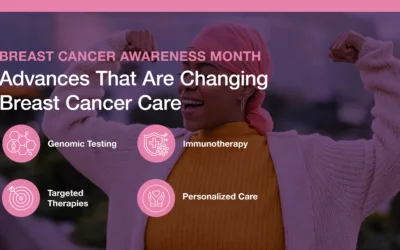
Beyond Pink: Advances That Are Changing Breast Cancer Care
Advances in breast cancer care are making treatment increasingly personalized, giving care teams more information about individual cancers and which therapies may be most effective. Today, a breast cancer diagnosis can involve much more than identifying the location...

Preparing for Your First Oncology Appointment
Getting a referral to an oncologist is a moment that stops most people in their tracks. Even if you have been through a lot medically, walking into a cancer specialist's office for the first time feels different. The stakes feel higher, the vocabulary is unfamiliar,...
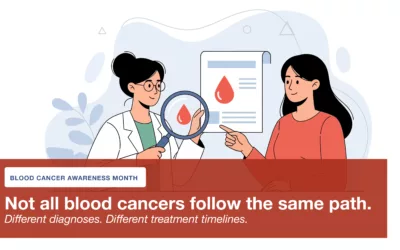
Not All Blood Cancers Move at the Same Speed
When most people hear the word cancer, they picture urgency. A diagnosis, a treatment plan, and a race to get ahead of it. For many cancers, that picture is accurate. But for blood cancers, the story is more varied than most people realize, and understanding that...
How Personalized Has Prostate Cancer Treatment Become?
Prostate cancer is the most commonly diagnosed cancer among men in the United States, yet the conversation around it has changed significantly in recent years. Where treatment once followed a more uniform path, today's approach is shaped by the individual: the biology...

Who Is on Your Cancer Care Team? Understanding the Experts Supporting You Beyond Your Oncologist.
Receiving a cancer diagnosis often means meeting several new healthcare professionals in a short amount of time. While your oncologist leads your treatment, they're part of a larger team dedicated to supporting your care every step of the way. Each member of your...
Why Keeping Up With Routine Healthcare Matters During Cancer Treatment
When you're in the middle of cancer treatment, it can feel like your oncology team has become your entire medical world. Infusion days, lab draws, follow-up scans: your calendar fills up fast, and everything else starts to feel like it can wait. But here's something...

Back-to-School & Cancer Care: Tips for Families Returning to Routine
The start of a new school year is a season of fresh beginnings, new classrooms, new schedules, and new rhythms. For families navigating cancer treatment, it can also bring a unique layer of complexity. Balancing school drop-offs, homework, and extracurriculars...
Understanding Blood Counts During Treatment
Understanding blood counts during treatment can help patients better navigate cancer care and know what to expect throughout the treatment process. Blood tests are a routine and important part of cancer treatment, providing information about how the body is responding...

Bone & Sarcoma Month – Unexplained Bone Pain: When Should You See a Doctor?
Bone and sarcoma awareness is important because symptoms like unexplained bone pain can sometimes be an early sign of a more serious condition. While most bone pain is caused by injury, strain, or common conditions, persistent or unusual pain should not be ignored....

UV Safety Month: Sunscreen Myths and Facts – What Actually Protects You
UV safety month is an important reminder that sunscreen plays a key role in protecting your skin from harmful ultraviolet exposure. While many people use sunscreen, there are still common misconceptions about how it works and what actually provides effective...

Why Hydration Matters During Cancer Treatment
Hydration during cancer treatment plays an important role in supporting overall health, managing side effects, and helping the body recover. Many cancer therapies, including chemotherapy and targeted treatments, can affect how the body processes fluids and...

Men’s Health and Cancer: Screenings Every Man Should Know
Men’s health and cancer screenings play an important role in detecting cancer early, when treatment is often most effective. Regular screenings can help identify cancer before symptoms develop, allowing for earlier diagnosis and better outcomes. During Men’s Health...