by Jessica Mason | Jul 30, 2025 | Awareness Month, Skin Cancer
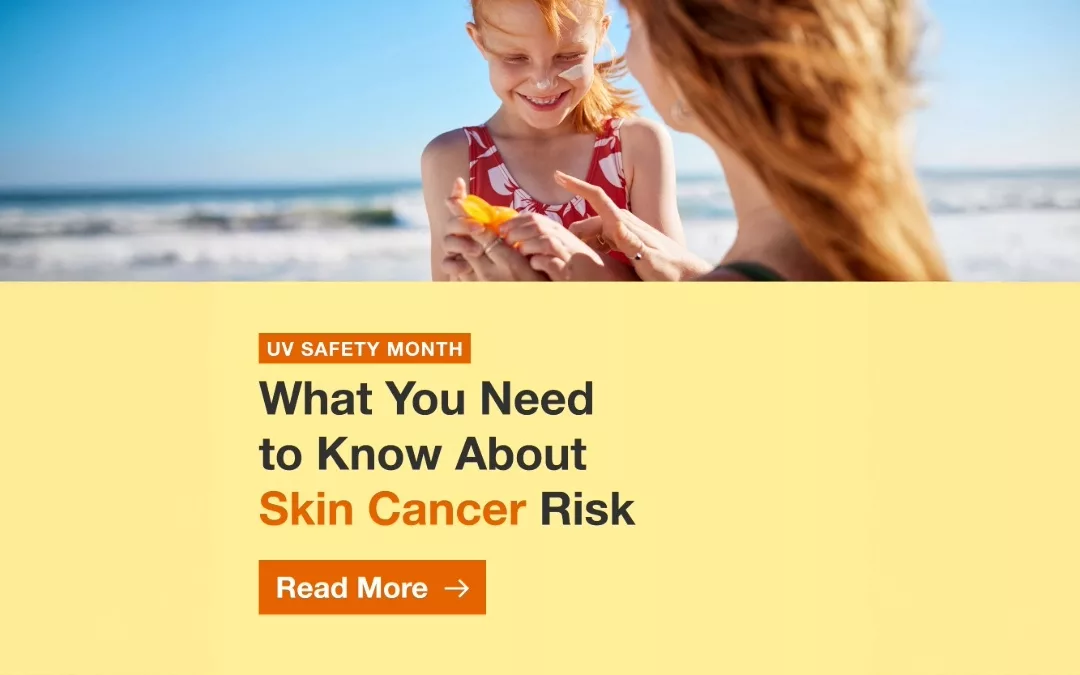
The sun is a powerful source of energy, but without protection, its ultraviolet (UV) rays, along with those from artificial sources like tanning beds, can cause lasting skin damage and significantly raise your risk of skin cancer, the most common cancer in the United States. July is recognized as UV Safety Month, a national observance that raises awareness about the dangers of UV exposure without protection and encourages habits to protect your skin every day.
While spending time outdoors has many benefits, being sun smart is essential to lifelong skin health. Understanding your risk and taking simple, consistent steps to protect your skin can make all the difference.
What Are UV Rays, Why Do They Matter, and What’s Link Between UV Exposure and Skin Cancer?
UV rays are a form of invisible radiation from the sun and from artificial sources like tanning beds that can damage your skin and eyes. There are two main types of UV rays that affect your body:
- UVA rays penetrate deep into the skin and contribute to premature aging, long-term skin damage, and sunburn. They’re present year-round, even on cloudy days, and can pass through windows.
- UVB rays are more intense and primarily responsible for sunburn. They directly damage skin cells and play a significant role in the development of skin cancer.
- In addition to harming your skin, UV rays can also damage your eyes, increasing the risk of cataracts, macular degeneration, and even cancers of the eyelids. Wearing UV-blocking sunglasses is just as important as protecting your skin.
The Link Between UV Exposure and Skin Cancer
Skin cancer affects 1 in 5 Americans by the age of 70, and UV radiation is the leading environmental cause. Here’s how it connects to the three main types:
- Basal cell carcinoma (BCC): the most common and slowest-growing form of skin cancer. It’s typically found on areas that receive frequent sun exposure, such as the face, ears, neck, scalp, shoulders, and back.
- Squamous cell carcinoma (SCC): often linked to chronic UV exposure over time. It can spread if left untreated and is most commonly found on the ears, scalp, neck, and hands—areas regularly exposed to sunlight.
- Melanoma: less common, but far more dangerous. Melanoma can spread quickly and become life-threatening if not caught early. It can appear on any part of the body, including areas not typically exposed to the sun, such as the soles of the feet or under nails. While UV exposure and sunburns increase risk, genetics and intermittent intense exposure also play a role. That’s why checking your entire body, not just sun-exposed areas, is crucial during a skin self-exam.
Who is Most at Risk?
While anyone can develop skin cancer, some factors increase your risk, including:
- Fair skin, light hair, or light eyes
- A history of frequent sunburns
- Use of tanning beds
- Family history of skin cancer
- A weakened immune system
- Spending a lot of time outdoors without sun protection
How to Protect Yourself
Practicing sun safety every day, especially in the summer, can significantly reduce your risk. Here’s how:
- Apply broad-spectrum sunscreen (SPF 30 or higher) every day, even on cloudy days
- Reapply sunscreen every two hours, or more often if swimming or sweating
- Wear protective clothing, wide-brimmed hats, and UV blocking sunglasses
- Seek shade when the sun is strongest (10 a.m. to 4 p.m.)
- Avoid tanning beds completely, they emit harmful UV rays
Protecting your skin doesn’t mean avoiding the sun altogether; it means being smart about your exposure. Incorporating habits into your routine like keeping sunscreen in your bag/car, setting reminders to reapply during long days outdoors, and encouraging loved ones to protect their skin, too can make a big difference right away.
When to See a Doctor
Early detection is key to successful skin cancer treatment. Perform regular skin self-checks and look for:
- New or changing moles or spots
- Asymmetry, irregular borders, multiple colors, or a diameter larger than a pencil eraser
- Spots that itch, bleed, or won’t heal
Use the ABCDE rule (asymmetry, border, color, diameter, evolving) to assess anything that looks suspicious. If you notice any changes, talk to your doctor.
This UV Safety Month, we encourage you to check in on your sun protection habits. Whether you are headed to the beach or running errands, daily precautions go a long way toward reducing your risk of skin cancer.
by Jessica Mason | Jul 21, 2025 | Awareness Month, Bone Cancer
Every July, we recognize Sarcoma & Bone Cancer Awareness Month, a time to increase understanding, support those affected, and elevate research for these rare and often overlooked cancers.
What is Sarcoma?
Sarcoma is a rare type of cancerous tumor that begins in the body’s connective tissues (bones, muscles, fat, cartilage, nerves, tendons, and blood vessels). It can occur anywhere in the body and affects both children and adults but is most often formed in the legs, chest/abdomen, arms, or head and neck.
Sarcomas are divided into two main categories:
- Soft Tissue Sarcomas: begin in muscles, fats, nerves, or tendons (angiosarcoma, desmoplastic small round cell tumors, etc.)
- Bone Sarcomas: begin in the bone itself (osteosarcoma, Ewing sarcomas, etc.)
Together, these cancers make up less than 1% of all adult cancers but are more common in children and young adults.
Most cancers are classified as carcinomas, which typically begin in major organs like the lungs, breast, or colon. These cancers often spread through the lymphatic system or bloodstream to other parts of the body.
Sarcomas, however, behave differently. They usually begin in connective tissues, like bones, muscles, or fat, and rarely originate in the organs. Instead of spreading through lymph nodes, sarcomas are more likely to travel through the bloodstream, often reaching the lungs, live, or in rare cases, the brain. This distinction is important in understanding how sarcoma progresses and how it’s treated.
Common Signs and Symptoms
While symptoms vary based on type and location, here are a few to be aware of:
- A lump or swelling (often painless at first)
- Pain in a bone or soft tissue that doesn’t go away
- Limited range of motion or joint function
- Numbness or tingling
- Unexplained fractures/pathological fractures
If any of these symptoms persist for you or a loved one, especially in combination, it’s important to consult a healthcare provider.
Why Awareness Matters
Because sarcomas are rare and often present with vague symptoms like swelling or pain, they can be misdiagnosed or overlooked. Early detection is critical, yet many patients face delays in diagnosis. Increased awareness can lead to earlier detection, better outcomes, and more attention to research funding.
Support for Patients and Families
A sarcoma diagnosis can feel isolating, but you are not alone. Throughout Sarcoma & Bone Cancer Awareness Month, we honor those impacted and provide resources to help:
Sarcoma and bone cancers may be rare, but the strength of the community is powerful. This month, and every month, we support patients, survivors, caregivers, and advocates to raise awareness and push for progress.
by Jessica Mason | Jul 1, 2025 | Survivorship
From the moment you receive a cancer diagnosis, you become a survivor—and your journey continues well beyond the end of cancer treatment. Life often looks different, and survivorship can bring a range of physical, emotional, and mental changes. Survivorship care is the next phase of your treatment plan, designed to help you adjust to a new normal, support your ongoing recovery, and embrace life beyond cancer.
As you move forward, asking the right questions can help you feel supported, informed, and reassured. Whether you receive survivorship care with us or with your primary care provider, we’re always here for you.
Key Questions to Ask Your Care Team
Completing cancer treatment is a major milestone, but it often also marks the beginning of new physical, emotional, and practice challenges and adjustments. To help you navigate this transition with confidence, here are important questions to talk about with your doctors and care team:
1. What is survivorship care?
Survivorship care includes the medical and emotional support you receive after your primary cancer treatment ends. It focuses on:
- Monitoring for recurrence
- Managing long-term or late side effects
- Supporting mental and emotional well-being
- Encouraging healthy lifestyle choices
- Your oncology team may even offer specialized survivorship care programs tailored to meet your unique needs. Ask your care team what their program includes and if it’s the right fit for you.
Your oncology team may even offer specialized survivorship care programs tailored to meet your unique needs. Ask your care team what their program includes and if it’s the right fit for you.
2. When will I transition to survivorship care?
The transition to survivorship care usually begins once your initial treatment—such as chemotherapy, radiation, or surgery— is complete. This timing can vary depending on your type of cancer and treatment, but your oncology team will guide you through this process and help you coordinate your ongoing care.
3. What kind of follow-up care do I need, how often, and what will it look like moving forward?
Understanding your follow-up plan is essential. This may involve regular scans, lab tests, or check-ins with your oncologist and primary care provider.
4. What symptoms or changes should I watch out for?
Knowing what signs could indicate a recurrence or complications allows you to seek timely care if needed.
5. How can I manage these side effects or symptoms?
Ask about medications, rehabilitation, or therapies that may help relieve fatigue, neuropathy, or other common post-treatment effects that affect your quality of life.
6. What lifestyle changes can support my health moving forward?
Nutrition, exercise, stress management, and other habits can play a key role in your recovery and wellness.
What mental health or emotional support is available?
Support groups, individual counseling, and community resources can help you process your experience and connect with others. The American Cancer Society and the Cancer Survivors Network are great starting points.
Creating Your Survivorship Care Plan
As you begin this next chapter, your care team may provide a personalized survivorship care plan. This plan summarizes:
- Your diagnosis, treatment history, and familial cancer risk assessment
- Recommended follow-up care
- Possible side effects
- Health and wellness recommendations
- Cancer surveillance and other recommended related tests
This valuable roadmap is designed for both you and any healthcare provider you work with moving forward to make your transition feel clear and supported.
We’re honored to mark this meaningful milestone with you.
Your Role in Survivorship
Life after cancer is a shared journey. Staying engaged in your care, asking questions, and working closely with your care team can help you feel confident and connected as you navigate life beyond cancer.
by Jessica Mason | May 12, 2025 | Skin Cancer
Skin cancer is the most common type of cancer, but the good news is that it can often be treated successfully if caught early. Knowing what to look for can make all the difference. Here are some key signs and tips to help you spot skin cancer early.
1. The ABCDE Rule for Melanoma
Melanoma is one of the most dangerous forms of skin cancer. Use the ABCDE rule to identify potential melanomas:
- Asymmetry: One half of the mole or spot doesn’t match the other half.
- Border: The edges are irregular, ragged, notched, or blurred.
- Color: The color is not uniform and may include shades of brown, black, pink, red, white, or blue.
- Diameter: The spot is larger than ¼ inch across (about the size of a pencil eraser), although melanomas can be smaller.
- Evolving: The mole is changing in size, shape, or color.
2. Basal Cell Carcinoma Signs
Basal cell carcinoma is the most common type of skin cancer. Look for:
- Flat, firm, pale, or yellow areas, similar to a scar.
- Raised reddish patches that might be itchy.
- Small, translucent, shiny, pearly bumps that are pink or red and may have blue, brown, or black areas.
- Pink growths with raised edges and a lower area in the center, which might have abnormal blood vessels spreading out like the spokes of a wheel.
- Open sores that don’t heal or heal and then come back.
3. Squamous Cell Carcinoma Signs
Squamous cell carcinoma is another common type of skin cancer. Watch for:
- Rough or scaly red patches that might crust or bleed.
- Raised growths or lumps, sometimes with a lower area in the center.
- Open sores that don’t heal or heal and then come back.
- Wart-like growths.
4. General Warning Signs
Regardless of the type, here are some general signs that could indicate skin cancer:
- Any new spots or growths on your skin.
- Any spot that looks different from others on your body.
- Sores that don’t heal.
- Redness or new swelling beyond the border of a mole.
- Itching, pain, or tenderness that doesn’t go away or comes back.
- Changes in the surface of a mole, such as oozing, scaliness, bleeding, or the appearance of a lump or bump.
Taking Action
- If you notice any of these signs, it’s important to see a healthcare provider for further evaluation.
- Regular monthly self-exams and yearly (or more frequently if you are at higher risk) full body skin exams with a dermatologist can help catch skin cancer early when it’s most treatable.
- Avoid tanning and do not use UV tanning beds.
Remember, protecting your skin from the sun by wearing broad spectrum sunscreen SPF 30 or higher, seeking shade, do not get sunburned, wear UV blocking sunglasses, and wearing protective clothing can help reduce your risk of developing skin cancer.
Stay vigilant and take care of your skin!
by Jessica Mason | May 12, 2025 | Breast Cancer
Understanding Triple-Negative Breast Cancer
Triple-negative breast cancer (TNBC) is a unique and aggressive form of breast cancer that requires special attention and understanding. Here’s what you need to know about TNBC, its characteristics, and the latest research.
What is Triple-Negative Breast Cancer?
Triple-negative breast cancer is a subtype of breast cancer that does not have the three common receptors known to fuel most breast cancer growth: estrogen, progesterone, and HER2/neu. This means that TNBC does not respond to hormonal therapy or therapies that target HER2 receptors.
Who is at Risk?
TNBC is more likely to affect younger people, African Americans, Hispanics, and those with a BRCA1 gene mutation. It represents about 10-15% of all breast cancers.
Symptoms and Diagnosis
The symptoms of TNBC are similar to other types of breast cancer and can include:
- A new lump or mass in the breast or underarm
- Changes in breast size or shape
- Skin changes on the breast, such as dimpling or redness
- Nipple changes, including inversion or discharge
- Breast or nipple pain
- Swelling of all or part of the breast
- Swollen lymph nodes under the arm or near the collar bone
Diagnosis typically involves a combination of physical exams, imaging tests (like mammograms and ultrasounds), and biopsies to confirm the absence of the three receptors
Treatment Options
Treatment for TNBC often involves a combination of surgery, radiation therapy, and chemotherapy. Unlike other breast cancers, TNBC does not respond to hormonal therapy or HER2-targeted treatments, making chemotherapy a crucial part of the treatment plan
Latest Research and Advances
Recent studies have shown promising developments in the treatment and understanding of TNBC:
- Immune Cells and Prognosis: Research indicates that high levels of immune cells within TNBC tumors may be associated with a lower risk of recurrence and better survival rates, even without chemotherapy
- New Therapies: Ongoing research is exploring new treatment options, including targeted therapies and immunotherapies, to improve outcomes for TNBC patients
Living with Triple-Negative Breast Cancer
Living with TNBC can be challenging, but support from healthcare providers, family, and community can make a significant difference. Regular follow-ups, a healthy lifestyle, and staying informed about the latest research are essential steps in managing this condition.
Conclusion
Triple-negative breast cancer is a complex and aggressive form of breast cancer that requires specialized treatment and care. Understanding the risks, symptoms, and latest research can empower patients and their loved ones to take proactive steps in managing this disease.
Stay informed, stay vigilant, and take care of your health.