

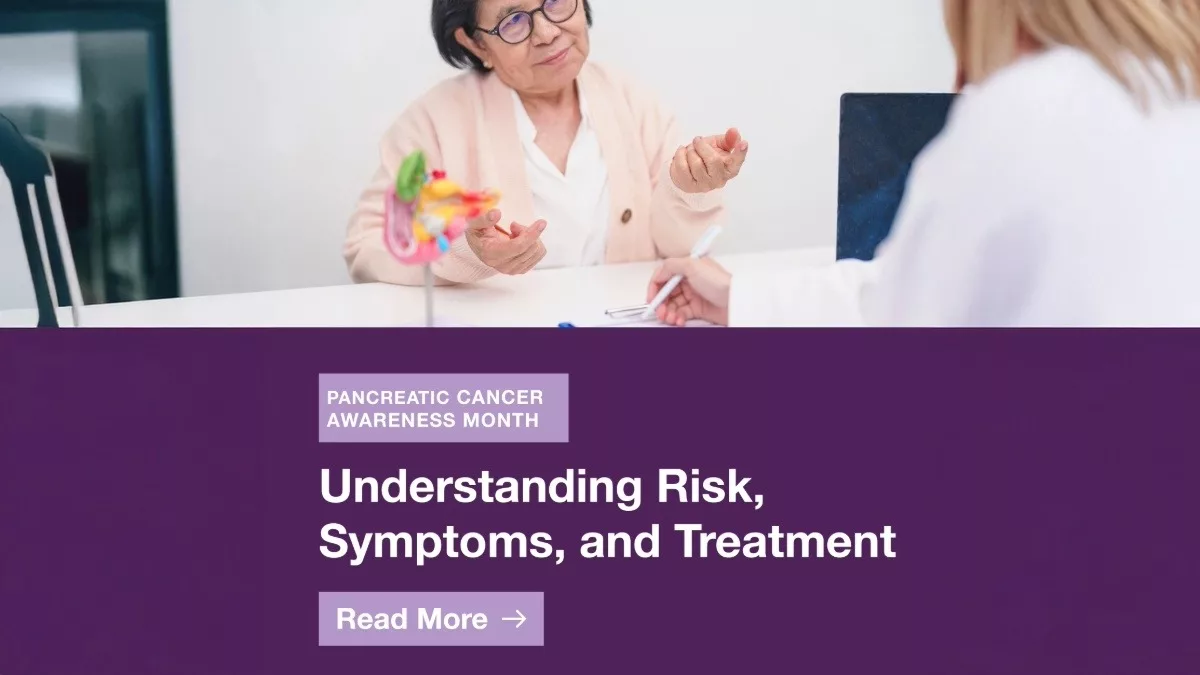
Pancreatic cancer is one of the most difficult cancers to detect and treat, but increased awareness, earlier diagnosis, and new treatment advances are giving patients more options than ever. Whether you are seeking information for yourself or someone you love, it helps to understand the signs, risks, and developments in care.
Why Pancreatic Cancer is Often Diagnosed Late
The pancreas is located deep in the abdomen behind the stomach and plays a key role in digestion and blood sugar regulation. Because of its location, pancreatic cancer rarely causes symptoms until it is more advanced.
Most cases are pancreatic adenocarcinoma, which begins in the cells lining the pancreatic ducts. Less common types include pancreatic neuroendocrine tumors.
Symptoms to Watch For
Symptoms of pancreatic cancer can be subtle or confused with other conditions. Common warning signs include:
- Yellowing of the skin or eyes (jaundice)
- Unexplained weight loss
- Loss of appetite
- Abdominal or back pain
- Fatigue or weakness
- Dark colored urine or itching
- Greasy, light-colored, or foul-smelling stools
- New-onset diabetes, particularly in older adults
If you experience any of these symptoms, especially if they persist, speak with your healthcare provider.
Who Is at Risk for Pancreatic Cancer?
Some risk factors for pancreatic cancer are outside of your control, while others can be reduced through lifestyle changes. Key risk factors include:
- Age over 60
- Smoking
- Family history of pancreatic, breast, or ovarian cancer
- Inherited gene mutations such as BRCA1, BRCA2, PALB2, or Lynch syndrome
- Chronic pancreatitis
- Type 2 diabetes, especially if recently diagnosed
- Obesity
- A diet high in red or processed meat and low in fruits and vegetables
- Excessive alcohol use, especially when linked to chronic pancreatitis
- Exposure to certain workplace chemicals used in metalworking and dry cleaning
If you have multiple risk factors, your doctor may recommend earlier monitoring or genetic counseling.
How Pancreatic Cancer is Diagnosed
Diagnosis typically starts after symptoms arise. Since there is no standard screening test for the general population, doctors rely on imaging and laboratory testing to evaluate symptoms. This may include:
- CT or MRI scans to locate tumors
- Endoscopic ultrasound (EUS) or ERCP to examine or biopsy the pancreas
- CA 19-9 blood test, which may indicate cancer activity
- Genetic and tumor testing to guide personalized treatment
Individuals with a strong family history may be candidates for high-risk surveillance programs.
Treatment Options and What’s New
Pancreatic cancer treatment depends on several factors including cancer stage, location, and a patient’s overall health. Options include:
- Surgery such as the Whipple procedure when the cancer is caught early and localized
- Chemotherapy either before or after surgery, or as a primary treatment
- Radiation therapy to help shrink tumors or treat symptoms
- Targeted therapy for patients with specific genetic mutations
- Immunotherapy in select cases, such as tumors with mismatch repair deficiency or microsatellite instability
Recent advancements include:
- Increased use of molecular profiling to guide treatment decisions
- Access to clinical trials exploring new drug combinations and immunotherapy
- Better imaging technology to identify cancer earlier and more accurately
Support Through Every Step
Pancreatic cancer is not just a physical challenge. Emotional, nutritional, and practical support are equally important. Patients and caregivers may benefit from nutrition guidance, palliative care to manage symptoms, genetic counseling, support groups or one-on-one emotional support, or survivorship planning.
We are committed to supporting every part of the journey, not just the medical treatment.
What You Can Do to Lower Risk
There is no guaranteed way to prevent pancreatic cancer, but you can reduce your risk by:
- Not smoking
- Maintaining a healthy weight
- Eating more whole fruits, vegetables, and whole grains
- Limiting red and processed meats
- Avoiding excessive alcohol
- Managing chronic conditions such as diabetes or pancreatitis
If you have a family history of pancreatic cancer, ask your doctor whether genetic counseling or early detection testing is right for you.