
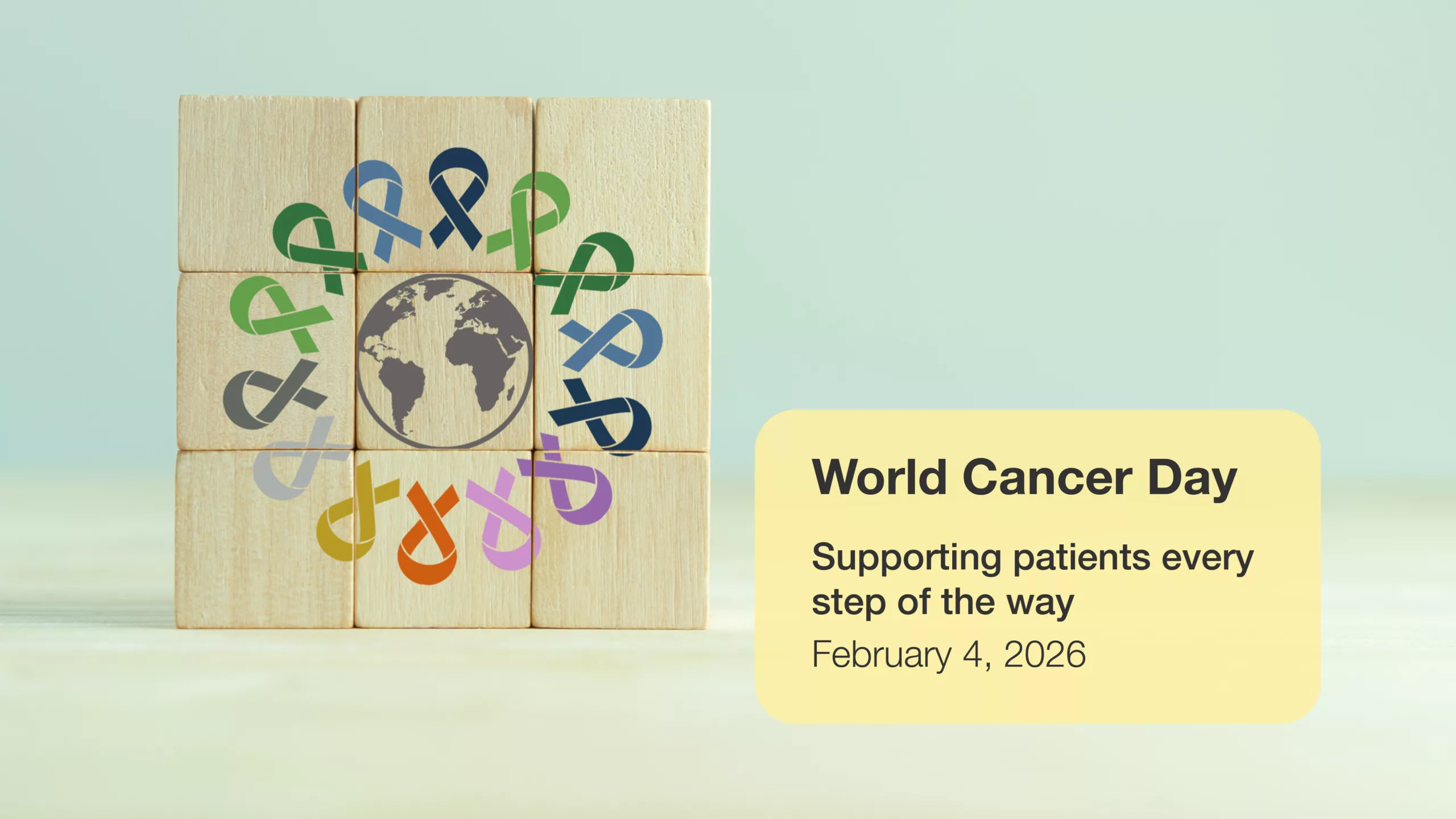
Support during cancer care is more than medical treatment; it’s about compassionate, comprehensive care for the whole person. On this World Cancer Day, we’re taking a moment to reflect on what meaningful support looks like and how care teas make a difference at every step of the journey.
World Cancer Day is recognized each year on February 4 to raise awareness, improve access to care, and unite communities around the world in the fight against cancer. This year’s theme, “Close the Care Gap”, reminds us that everyone deserves high-quality care, no matter who they are or where they live.
What “Support” Really Means in Cancer Care
Support takes many forms. For people living with cancer, it may include:
- Clear communication: Explaining a diagnosis, reviewing treatment options, and helping patients and caregivers understand next
- Emotional support: Creating space for feelings of fear, grief, frustration, and hope; and offering counseling or support groups.
- Physical care: Managing side effects, coordinating treatment schedules, and helping patients feel more comfortable through it all.
- Practical resources: Navigating insurance, arranging transportation, and providing financial assistance when needed.
- Empowerment: Helping patients advocate for their needs, ask questions, and take an active role in their care.
Whether a patient is newly diagnosed, in treatment, or navigating survivorship, having the right team matters.
Why Local Cancer Care Makes a Difference
World Cancer Day is global, but care happens locally. When patients can access treatment close to home, they’re surrounded by their support networks. They’re able to attend appointments without added travel burdens and connect with care teams who understand their unique needs.
Community oncology practices like ours play a vital role in bridging the care gap by delivering personalized, high-quality care in communities across the country.
How You Can Take Action on World Cancer Day
Even small actions make an impact. You can:
- Share your story or a loved one’s experience with cancer
- Encourage someone to schedule a screening or checkup
- Support a local cancer center or organization
- Educate yourself and others about cancer prevention and early detection
Most importantly, reach out to someone who might be going through treatment. A call, message, or kind word can mean the world.
Hope, Progress, and Connection
World Cancer Day is not just a day of awareness; it’s a reminder of the progress being made and the people behind it. Every patient deserves support that extends beyond the exam room. From diagnosis to survivorship, no one should walk this path alone.