

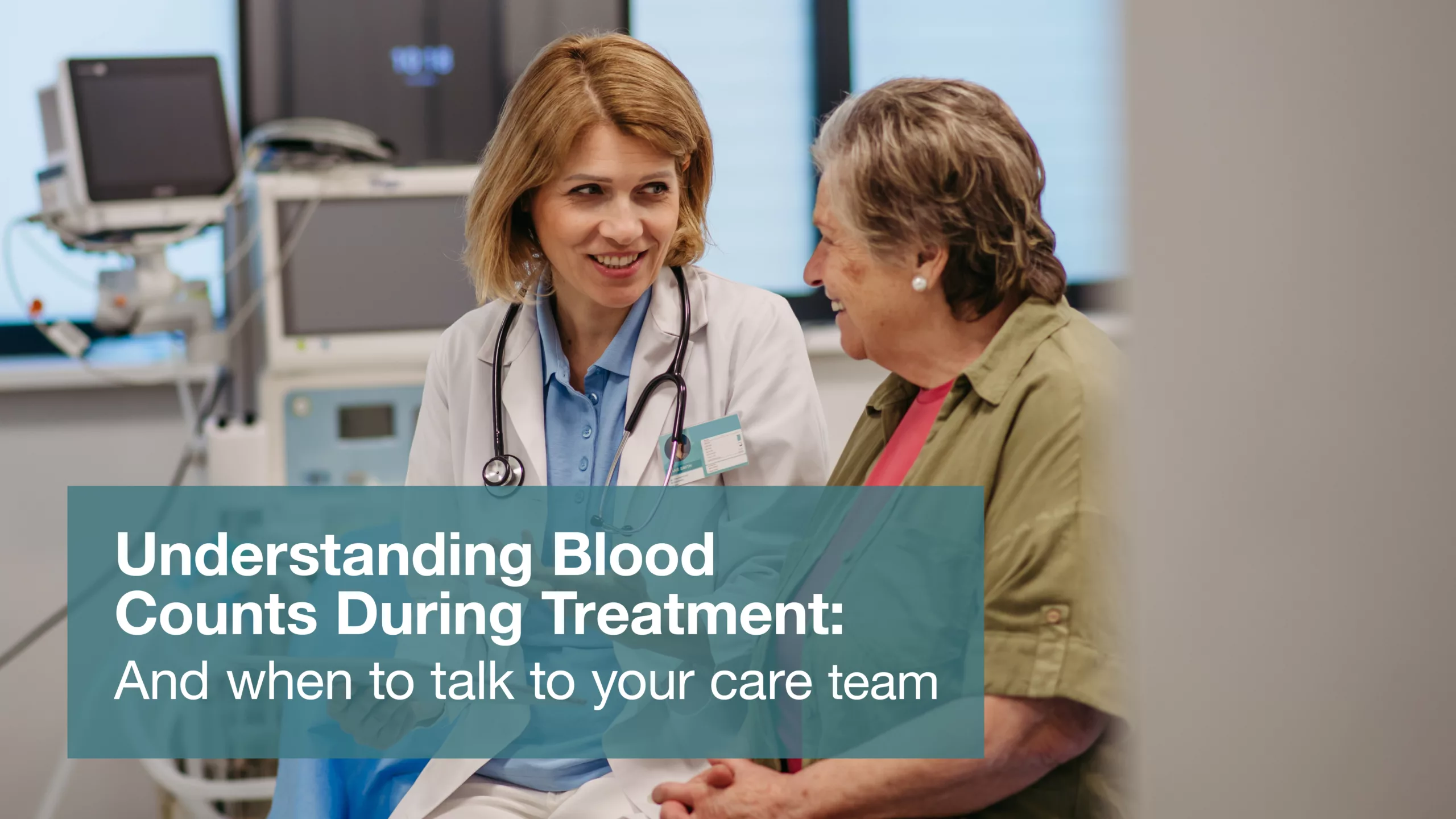
Understanding blood counts during treatment can help patients better navigate cancer care and know what to expect throughout the treatment process. Blood tests are a routine and important part of cancer treatment, providing information about how the body is responding and whether it is safe to continue therapy.
These tests, often called complete blood counts (CBC), measure different components of the blood and help guide treatment decisions. Learning what these numbers mean can help patients feel more informed and prepared during treatment.
Blood tests are commonly used to monitor overall health and treatment response in patients undergoing cancer therapy.
What is a Complete Blood Count
A complete blood count, or CBC, is a blood test that measures several important components of the blood. These include red blood cells, while blood cells, and platelets. Changes in these levels can occur during cancer treatment and may affect how a patient feels or how treatment is managed.
Red Blood Cells
Red blood cells carry oxygen throughout the body. A low red blood cell count, also known as anemia, can lead to:
- Fatigue
- Shortness of breath
- Dizziness
Treatment may be adjusted if anemia becomes more severe.
White Blood Cells
White blood cells help the body fight infection. A low white blood cell count, especially neutrophils, increases the risk of infection. This condition, called neutropenia, may require:
- Delaying treatment
- Medications to boost white blood cell production
- Additional precautions to reduce infection risk
Platelets
Platelets help the blood clot and prevent bleeding. Low platelet counts can increase the risk of bruising or bleeding. Symptoms may include:
- Easy bruising
- Nosebleeds
- Bleeding gums
Monitoring platelet levels helps ensure patient safety during treatment.
Why Blood Counts Change During Treatment
Cancer treatment such as chemotherapy, radiation therapy, and some targeted therapies can affect the bone marrow, where blood cells are produced.
As a result, blood counts may drop during treatment. These changes are common and are closely monitored by the care team to ensure that treatment remains safe and effective.
What Happens If Blood Counts Are Low
If blood counts fall below a certain level, your care team may adjust your treatment plan. This may include:
- Delaying treatment to allow recovery
- Reducing treatment doses
- Prescribing medications to support blood cell production
- Recommending transfusions in some cases
These adjustments are made to protect patient safety while continuing effective cancer treatment.
When to Contact Your Care Team
Patients should contact their healthcare provider if they experience symptoms that may be related to low blood counts, including:
- Fever or signs of infection
- Unusual fatigue or weakness
- Shortness of breath
- Easy bruising or bleeding
Communicating quickly with your care team can help address concerns early and prevent complications.
Staying Informed During Treatment
Understanding blood counts can help patients feel more confident and engaged in their care. Asking questions and reviewing lab results with your care team can provide clarity about what the numbers mean and how they affect treatment.
Blood tests are an important tool in guiding cancer care, and staying informed can help patients better navigate each step of the treatment process.
If you have been diagnosed with cancer and are looking to schedule an appointment or get a second opinion, schedule an appointment today.