

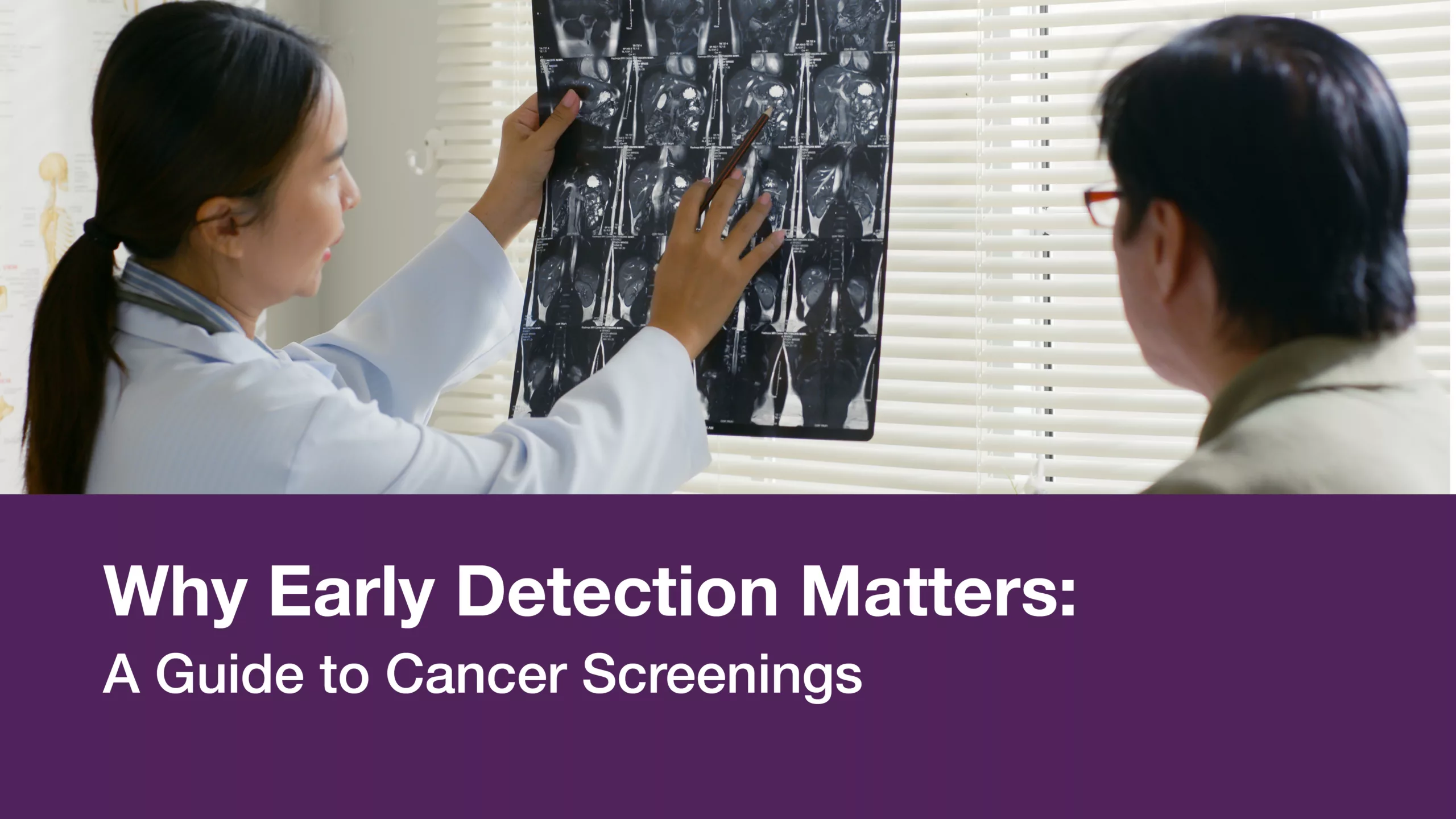
Early cancer detection can save lives. When cancer is found in its earliest stages, it is often easier to treat, less likely to have spread, and associated with better outcomes. That is why routine screenings are such a powerful part of cancer prevention and care.
As part of National Cancer Prevention Month, we are highlighting how screenings work, what tests may be recommended, and why speaking with you provider could make all the difference.
Why Timing Matters
Many types of cancer grow slowly and quietly. You may not notice symptoms until the disease has advanced. In some cases, like cervical or colon cancer, screening can even detect abnormal cells before they become cancer at all.
The earlier cancer is detected, the more options patients usually have for treatment and recovery. Regular screenings help providers identify changes before they become more serious.
Recommended Cancer Screenings
Your screening plan may depend on your age, gender, health history, and family background. These are some of the most common screening tests used in cancer prevention:
- Breast cancer: Mammograms are recommending every one to two years for most women beginning at age 40. Breast Cancer Awareness Month: Risk Factors, Screening, and Advances in Treatment – LOA: Lowcountry Oncology Associates
- Cervical cancer: Pap tests and HPV testing are typically recommended every three to five years for women ages 21 to 65.
- Colorectal cancer: Colonoscopies or stool-based tests are usually recommended starting at age 45. Colon Cancer – LOA: Lowcountry Oncology Associates
- Prostate cancer: PSA blood tests may be considered for men over age 50, or earlier if they are at higher risk. Prostate Cancer Awareness: Signs, Risk Factors, and Screening
- Lung cancer: A low-dose CT scan may be recommended for adults age 50 to 80 with a history of smoking. What You Need to Know About Lung Cancer Risk and Screening
- Skin cancer: Annual skin checks can help detect new or changing moles or spots on the skin. How to Perform a Skin Self-Check and When to See a Doctor
Your provider will help determine which tests are appropriate based on your health profile.
Risk Factors That May Require Earlier Screening
Some individuals may need screenings at a younger age or more frequently. Talk to your care team if you have:
- A personal or family history of cancer
- A known genetic mutation, such as BRCA1 or BRCA2
- A history of smoking or heavy alcohol use
- Obesity or a sedentary lifestyle
- Exposure to certain chemicals or radiation
- A weakened immune system
Risk-based screening plans help personalize your care and may lead to earlier interventions when needed.
Overcoming Common Barriers
Many people delay or skip screenings because they are nervous, unsure about the process, or feel healthy and symptom-free. But early detection is often most effective before symptoms start. If you are unsure where to begin, your provider or care navigator can walk you through next steps, coverage options, and testing logistics.
Remember: screening is not the same as a diagnosis. It is a proactive step you can take to protect your long-term health.
Talk to Your Provider
You do not need to navigate this alone. Whether it has been years since your last screening or you are not sure what you need, now is the time to have that conversation. Your provider will help you understand your risk, review your family history, and recommend the right tests for you.
Taking action today could change everything tomorrow.
Reach out to our office today to schedule your screening needs today at 843-790-8280.