by Jessica Mason Hewitt | Nov 4, 2025 | Uncategorized
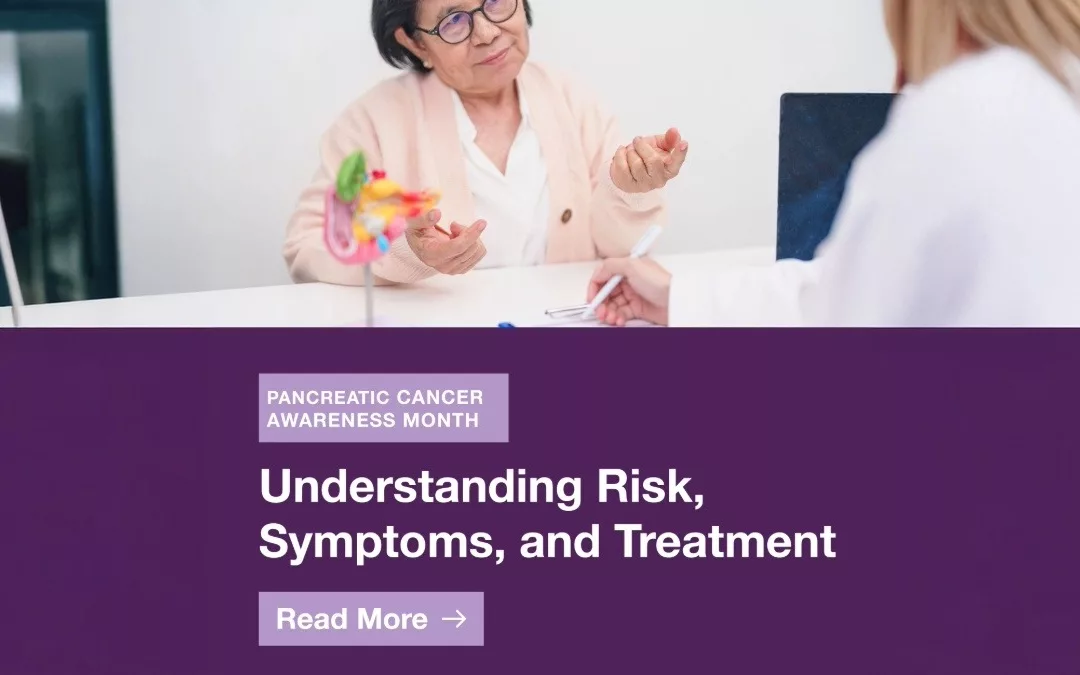
Pancreatic cancer is one of the most difficult cancers to detect and treat, but increased awareness, earlier diagnosis, and new treatment advances are giving patients more options than ever. Whether you are seeking information for yourself or someone you love, it helps to understand the signs, risks, and developments in care.
Why Pancreatic Cancer is Often Diagnosed Late
The pancreas is located deep in the abdomen behind the stomach and plays a key role in digestion and blood sugar regulation. Because of its location, pancreatic cancer rarely causes symptoms until it is more advanced.
Most cases are pancreatic adenocarcinoma, which begins in the cells lining the pancreatic ducts. Less common types include pancreatic neuroendocrine tumors.
Symptoms to Watch For
Symptoms of pancreatic cancer can be subtle or confused with other conditions. Common warning signs include:
- Yellowing of the skin or eyes (jaundice)
- Unexplained weight loss
- Loss of appetite
- Abdominal or back pain
- Fatigue or weakness
- Dark colored urine or itching
- Greasy, light-colored, or foul-smelling stools
- New-onset diabetes, particularly in older adults
If you experience any of these symptoms, especially if they persist, speak with your healthcare provider.
Who Is at Risk for Pancreatic Cancer?
Some risk factors for pancreatic cancer are outside of your control, while others can be reduced through lifestyle changes. Key risk factors include:
- Age over 60
- Smoking
- Family history of pancreatic, breast, or ovarian cancer
- Inherited gene mutations such as BRCA1, BRCA2, PALB2, or Lynch syndrome
- Chronic pancreatitis
- Type 2 diabetes, especially if recently diagnosed
- Obesity
- A diet high in red or processed meat and low in fruits and vegetables
- Excessive alcohol use, especially when linked to chronic pancreatitis
- Exposure to certain workplace chemicals used in metalworking and dry cleaning
If you have multiple risk factors, your doctor may recommend earlier monitoring or genetic counseling.
How Pancreatic Cancer is Diagnosed
Diagnosis typically starts after symptoms arise. Since there is no standard screening test for the general population, doctors rely on imaging and laboratory testing to evaluate symptoms. This may include:
- CT or MRI scans to locate tumors
- Endoscopic ultrasound (EUS) or ERCP to examine or biopsy the pancreas
- CA 19-9 blood test, which may indicate cancer activity
- Genetic and tumor testing to guide personalized treatment
Individuals with a strong family history may be candidates for high-risk surveillance programs.
Treatment Options and What’s New
Pancreatic cancer treatment depends on several factors including cancer stage, location, and a patient’s overall health. Options include:
- Surgery such as the Whipple procedure when the cancer is caught early and localized
- Chemotherapy either before or after surgery, or as a primary treatment
- Radiation therapy to help shrink tumors or treat symptoms
- Targeted therapy for patients with specific genetic mutations
- Immunotherapy in select cases, such as tumors with mismatch repair deficiency or microsatellite instability
Recent advancements include:
- Increased use of molecular profiling to guide treatment decisions
- Access to clinical trials exploring new drug combinations and immunotherapy
- Better imaging technology to identify cancer earlier and more accurately
Support Through Every Step
Pancreatic cancer is not just a physical challenge. Emotional, nutritional, and practical support are equally important. Patients and caregivers may benefit from nutrition guidance, palliative care to manage symptoms, genetic counseling, support groups or one-on-one emotional support, or survivorship planning.
We are committed to supporting every part of the journey, not just the medical treatment.
What You Can Do to Lower Risk
There is no guaranteed way to prevent pancreatic cancer, but you can reduce your risk by:
- Not smoking
- Maintaining a healthy weight
- Eating more whole fruits, vegetables, and whole grains
- Limiting red and processed meats
- Avoiding excessive alcohol
- Managing chronic conditions such as diabetes or pancreatitis
If you have a family history of pancreatic cancer, ask your doctor whether genetic counseling or early detection testing is right for you.
by Jessica Mason Hewitt | Oct 14, 2025 | Uncategorized
October is National Health Literacy Month, a reminder that quality cancer care isn’t only about treatments, but also about helping patients truly understand their diagnosis and options. Navigating a cancer diagnosis often involves learning unfamiliar medical terms, weighing complex treatment choices, and making difficult decisions under emotional stress. Clear, accessible communication can make the difference between confusion and confidence, empowering patients to take an active role in their care.
The Underestimated Importance of Health Literacy
Health literacy: the ability to access, understand, evaluate, and use healthcare information is critical for anyone facing a cancer diagnosis. Low health literacy has been linked to:
- Poorer quality of life in cancer patients
- Difficulty understanding and processing complex diagnosis and treatment information
- Greater challenges participating in shared decision-making
- Risks of miscommunication leading to errors in treatment adherence
In fact, research shows that patients with higher health literacy survive nearly nine months longer on average than those with lower literacy levels, across various cancers.
Common Barriers to Understanding
When someone hears “You have cancer,” the emotional impact alone can make everything hard to process. Beyond that, barriers include:
- Complex medical jargon and densely written materials
- Reading levels that exceed typical comprehension, many health documents are at a high school senior level or above
- Sociodemographic challenges such as older age, limited education, low income, or limited English proficiency
- Institutional gaps like rushed conversations and unclear handouts
These obstacles can leave patients confused and anxious when they most need clarity.
Why It Matters – Especially in Cancer Care
Patients with low health literacy are less likely to stick to screening schedules, understand treatment plans, or manage follow-up care effectively. Cancer diagnoses are emotionally intense, patients often must weigh surgery, chemotherapy, or radiation with little room for mistakes. Misunderstanding can lead to delayed treatment or poor adherence.
What You Can Do This Health Literacy Month
Whether you’re a patient, caregiver, or provider, here’s how to make communication count:
- Ask questions: repeat them back in your own words to make sure everyone is clear.
- Request plain-language explanations of your diagnosis, treatment options, and side effects.
- Bring a trusted friend or family member to appointments to help take notes, ask questions, or offer support.
For providers: slow down, simplify your language, and confirm understanding through teach back.
Cancer is hard enough. Health literacy shouldn’t make it harder. This October, during Health Literacy Month, we want to help build bridges so that every person facing a cancer diagnosis can feel heard, understood, and empowered to act.
At Lowcountry Oncology Associates, we strive to provide clear, compassionate communication and support. If you or a loved one is navigating a cancer diagnosis, we’re here to walk every step with you.
Call us at 843-790-8280 to learn how we help patients understand and feel confident throughout their care journey.
by Jessica Mason Hewitt | Oct 1, 2025 | Breast Cancer
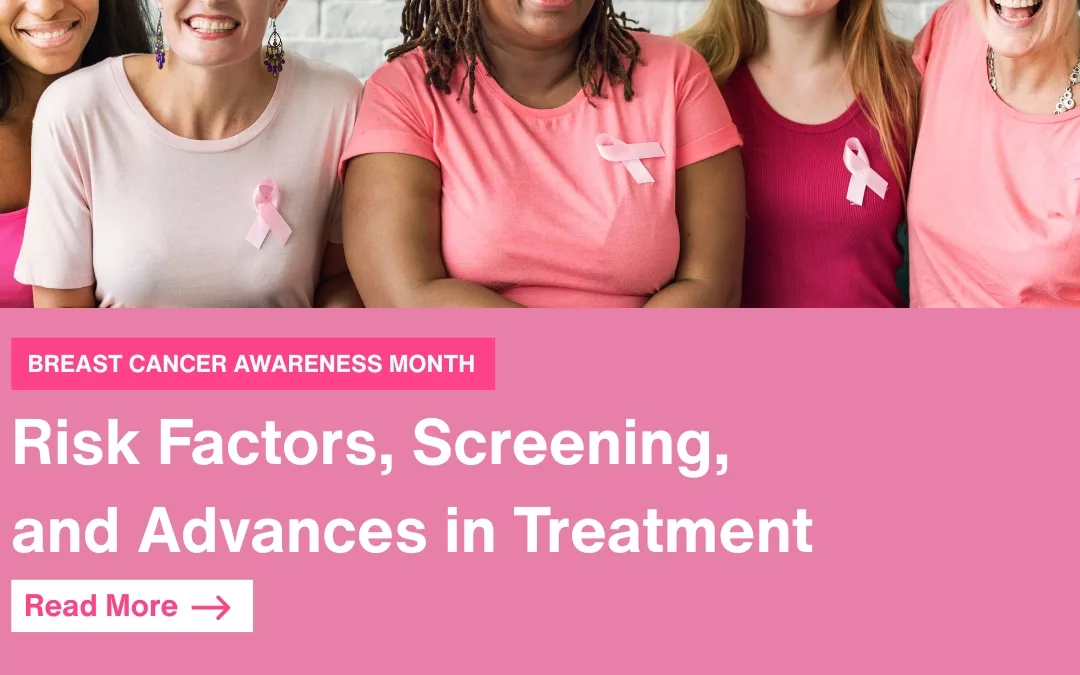
October is Breast Cancer Awareness Month, a time to highlight the importance of prevention, screening, and treatment progress against one of the most common cancers affecting women. While breast cancer remains a serious health concern, advances in detection and therapy are giving patients more hope than ever before.
Understanding the Numbers
Breast cancer remains the most common cancer in women in the United States, except for skin cancers. Approximately 1 in 8 women will develop the disease during their lifetime. While these statistics may seem concerning, there’s reason for hope: when detected early, the 5-year survival rate for localized breast cancer is nearly 99%. This highlights the critical importance of awareness, screening, and early detection.
Key Risk Factors to Know
Some risks cannot be changed, while others can be managed through lifestyle choices.
Inherent Risk Factors
- Age – risk increases with age, especially after 50
- Gender – women are at much higher risk than men
- Family history of breast or ovarian cancer
- Genetic mutations – BRCA1 or BRCA2 are the most well known
- Personal history of breast cancer or certain benign breast conditions
- Dense breast tissue
- Previous chest radiation therapy
- Early menstruation (before age 12) or late menopause (after age 55)
Modifiable Risk Factors
- Alcohol consumption – even moderate drinking increases risk
- Obesity, specifically after menopause
- Lack of physical activity
- Certain types of hormone replacement therapy
- Smoking
- High fat diet
- Low fruit and vegetable intake
- Reproductive factors – having no pregnancies or first pregnancies after the age of 30
Having risk factors does not guarantee a diagnosis but understanding them helps guide screening and lifestyle decisions.
Current Screening Guidelines: The Power of Early Detection
Early detection saves lives, and screening recommendations have evolved based on the latest research and evidence.
National Guidelines
According to the National Comprehensive Cancer Network recommends women start annual mammograms at age 40 as long as the woman is in good health and has a life expectancy of 10 years or more.
High Risk Individuals
Women with a strong family history, BRCA mutations, or prior chest radiation may need earlier and more frequent screening, sometimes starting in their 20s-30s. Additional imaging such as MRI may be recommended.
Self-Awareness
Knowing how your breasts normally look and feel remains an important tool. Report changes such as new lumps, swelling, nipple discharge, or skin dimpling to your healthcare provider right away.
Advances in Breast Cancer Treatment
Treatment is becoming more personalized, precise, and effective thanks to medical innovation.
- Immunotherapy: drugs like pembrolizumab (Keytruda) have changed the outlook for triple-negative breast cancer (TNBC). These immune checkpoint inhibitor treatments help the patient’s own immune system recognize and attack cancer cells more effectively.
- Antibody-Drug Conjugates (ADCs): new therapies, including Trodelvy, deliver chemotherapy directly to cancer cells while sparing healthy tissue. Combined with Keytruda, Trodelvy has recently shown a 35% reduction in disease progression risk in advanced TNBC.
- Targeted Therapies: Targeted therapies, including CDK4/6 inhibitors, HER2-directed drugs, and PARP inhibitors, are improving outcomes for many patients with specific tumor profiles.
- Surgical and Radiation Advances:
- Oncoplastic surgery allows cancer removal with immediate reconstruction
- Sentinel node biopsy reduces the need for extensive lymph removal
- Hypofractionated radiation delivers therapy in fewer sessions with equal effectiveness
- Neoadjuvant Therapy: treatments given before surgery can shrink tumors, allow less invasive surgery, and guide therapy choices.
Taking Action: What You Can Do
- Stay current with screening recommendations for your age and risk level
- Maintain a healthy lifestyle – stay active, keep a healthy weight, and limit alcohol
- Know your family history and ask if genetic testing may be appropriate
- Be aware of changes in your breasts and speak with your provider if something seems unusual
- Don’t skip screenings – early detection saves lives
Questions to Ask Your Healthcare Provider:
- Am I at higher-than-average risk for breast cancer?
- When should I start screening, and how often?
- Would I benefit from genetic counseling?
- What symptoms should prompt me to call your office?
A Message of Hope
Today, more people are surviving breast cancer and living well during and after treatment. Clinical trials, precision medicine, and supportive care continue to improve outcomes.
At Lowcountry Oncology Associates, we are committed to providing compassionate, comprehensive breast cancer care. Whether you’re due for your first mammogram, concerned about symptoms, or seeking advanced treatment, our team is here to guide and support you.
This Breast Cancer Awareness Month, take charge of your health, schedule your screening, know your risk, and share the importance of early detection with loved ones.
To schedule an appointment or learn more about our services, please contact our office at (843)790-8280 or visit www.lowcountryoncology.com. We’re here to support you on your health journey.

by Jessica Mason Hewitt | Sep 18, 2025 | Gynecologic Cancer
Ovarian and uterine cancer are two of the most common types of gynecologic cancers, and they often don’t receive the attention they deserve. These cancers affect thousands of women each year, which is why we believe it’s important to raise awareness this month about the symptoms, risks, and importance of early detection.
Whether you’re learning for yourself or someone you love, here’s what you need to know.
Let’s Start with the Basics: What Are Ovarian and Uterine Cancers?
Both cancers begin in the reproductive organs, but differ in how they develop and present.
Ovarian cancer starts in the ovaries or nearby tissues like the fallopian tubes or peritoneum. It’s often called a “silent” cancer because early symptoms can be vague or mistaken for other conditions.
Uterine cancer, also known as endometrial cancer, begins in the lining of the uterus. It’s the most common gynecologic cancer in the U.S.
Know the Warning Signs
Paying attention to your body is key, especially when symptoms are persistent or unusual.
Common symptoms of ovarian cancer can include:
- Vaginal bleeding or discharge that is unusual for you
- Bloating or abdominal swelling
- Pelvic or abdominal pain
- Feeling full quickly when eating
- Changes in urinary frequency and/or bowel habits
- Back pain and fatigue
Uterine cancer symptoms may include:
- Abnormal vaginal bleeding (especially after menopause)
- Vaginal discharge that is unusual for you
- Pelvic pain or pressure
- Pain during intercourse
These symptoms don’t always mean cancer, but they should never be ignored.
There is no routine screening test for ovarian cancer, which makes symptom awareness more crucial. Diagnosis may involve pelvic exams, imaging (ultrasound or CT), blood tests like CA-125, or biopsy.
Uterine cancer is often detected early due to abnormal bleeding. Diagnosis may involve an endometrial biopsy, transvaginal ultrasound, or dilation and curettage (D&C).
Who is at Risk?
While any woman can be affected, certain factors may increase the risk for these cancers:
- Age: most cases occur in women over 50
- Family history: especially of ovarian, breast, or colorectal cancer
- Inherited genetic mutations: such as BRCA1/BRCA2 or Lynch syndrome
- Hormone-related factors: early menstruation, late menopause, or hormone replacement therapy
- Obesity and related health conditions: particularly in uterine cancer
Treatment and Support: You’re Not Alone
Both cancers are treatable, especially if caught early. Treatment often involves a combination of:
- Surgery
- Hysterectomy: removal of the uterus. It may also include removal of the cervix, ovaries, or fallopian tubes. After a hysterectomy, a woman can no longer get pregnant.
- Oophorectomy: removal of one or both ovaries. Often used to both treat and prevent ovarian cancer. Removing both ovaries causes immediate menopause.
- Radiation therapy
- Chemotherapy
- Hormone or targeted therapy, depending on the cancer type and stage (typically for more advanced cases)
Care plans are always tailored to each woman’s needs, talk to your primary care or OBGYN about what treatment options could best serve you.
Be Your Own Advocate
Understanding your body, knowing your risks, and speaking up about symptoms are powerful tools in protecting your health. If something feels off, don’t wait. Talk to your doctor; we are here to help.
Whether you are facing a diagnosis, supporting a loved one, or simply educating yourself, awareness matters.
by Jessica Mason Hewitt | Sep 9, 2025 | Uncategorized
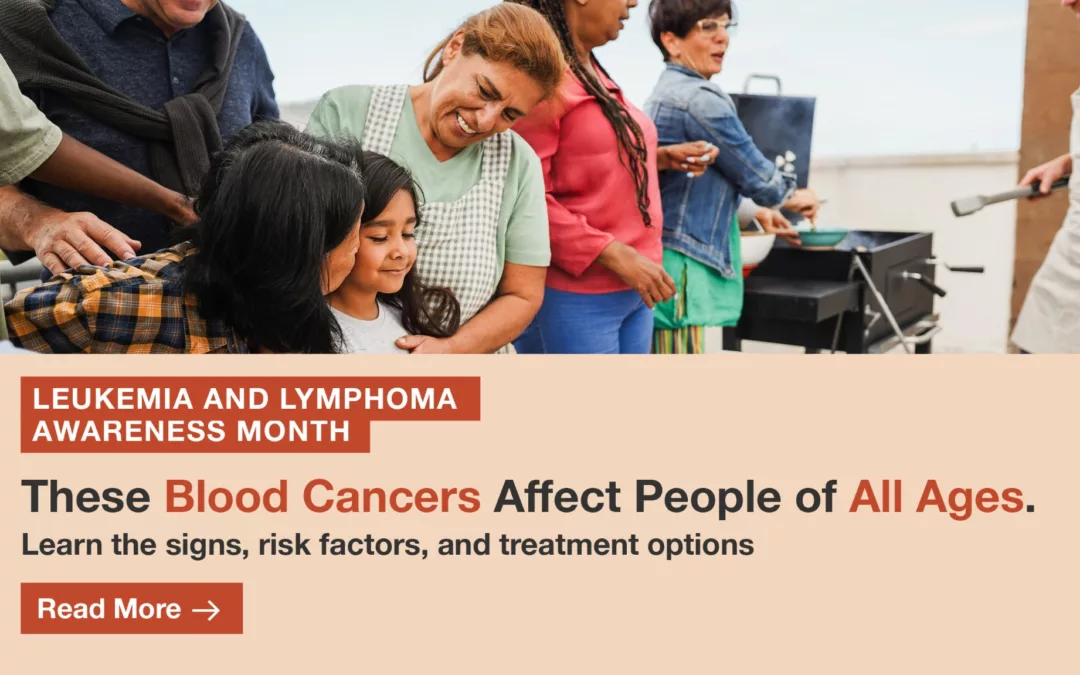
Leukemia and lymphoma awareness helps drive early detection, better treatment outcomes, and vital support for patients and families. As two of the most common types of blood cancer, both conditions affect the body’s ability to fight infection, but with earlier diagnosis and ongoing advances in treatment, there’s more hope than ever for patients facing these diseases.
What Are Leukemia and Lymphoma?
Leukemia is a cancer of the blood and bone marrow. It typically begins in the cells that would become white blood cells, leading to the production of abnormal cells that crowd out healthy ones. Leukemia is categorized based on how quickly it progresses, either fast-growing (acute) or slow growing (chronic), and by the type of white blood cells it affects. The main types include, but are not limited to:
- Acute lymphoblastic leukemia (ALL): Most common in young children but can also occur in adults.
- Acute myeloid leukemia (AML): A fast-growing leukemia that is more common in adults, though it can also affect children.
- Chronic lymphocytic leukemia (CLL): The most common chronic leukemia in adults. Some people may feel well for years before needing treatment.
- Chronic myeloid leukemia (CML): Primarily affects adults. Symptoms may be mild or absent for a long time before progressing more rapidly.
- Other rare types: These include hairy cell leukemia, myelodysplastic syndromes, and myeloproliferative disorders.
Lymphoma is a cancer of the lymphatic system, which is part of the body’s immune system. It begins in lymphocytes; a type of white blood cell that helps fight infection. There are two main types of lymphoma:
- Hodgkin lymphoma: This type starts in B lymphocytes (B cells) and typically affects lymph nodes in the upper body. It often spreads in an orderly pattern from one node to the next.
- Non-Hodgkin lymphoma (NHL): Also begins in lymphocytes but can develop in lymph tissue throughout the body, including the lymph nodes, spleen, bone marrow, thymus, tonsils, adenoids, and digestive tract. NHL includes many subtypes, ranging from slow growing to more aggressive forms.
Symptoms to Watch For
Signs of leukemia and lymphoma can be subtle or resemble other conditions. Common symptoms include:
- Fatigue or weakness
- Fever or night sweats
- Frequent infections
- Swollen lymph nodes
- Unexplained weight loss
- Easy bruising or bleeding
- Bone or joint pain
If symptoms persist or worsen, it’s important to talk with your healthcare provider.
Who is at Risk?
While anyone can develop blood cancer, certain factors may increase risk:
- Age: leukemia is more common in order adults, though some types affect children
- Gender: lymphoma and leukemia are slightly more common in males
- Family History: a history of blood cancers may raise your risk
- Immune System Disorders: autoimmune diseases or immunosuppressive therapy may be contributing factors
- Exposure to certain chemicals or radiation
- Previous chemotherapy and radiation, smoking (AML)
Understanding your risk factors and staying proactive with your health can lead to earlier diagnosis and more treatment options.
Diagnosis and Treatment
Diagnosis may involve blood tests, bone marrow biopsies, imaging, or lymph node biopsies, depending on the symptoms and suspect type of cancer. Treatment is highly individualized and may include chemotherapy, targeted therapy, immunotherapy, radiation therapy, or bone marrow or stem cell transplant. Our oncology care team will work closely with you to develop a personalized treatment plan based on the type and stage of the patient’s cancer, as well as overall health and treatment goals.