
by Jessica Mason Hewitt | Aug 4, 2026 | Uncategorized
The start of a new school year is a season of fresh beginnings, new classrooms, new schedules, and new rhythms. For families navigating cancer treatment, it can also bring a unique layer of complexity. Balancing school drop-offs, homework, and extracurriculars alongside chemotherapy appointments, lab draws, and follow-up visits takes planning, flexibility, and support.
The good news: with a little preparation, your family can find a rhythm that keeps treatment on track and makes room for the everyday moments that matter most.
Managing Appointments Around the School Calendar
One of the first steps is getting all of your commitments into one place. Before the school year begins, gather the academic calendar, including early dismissal days, school events, and holidays, and lay it alongside your treatment schedule.
Practical tips:
-
Request a treatment calendar from your care team.
Many practices can provide an anticipated schedule for infusions, lab work, and follow-up visits several weeks in advance. You may also be able to view upcoming appointments through your practice’s patient portal. Ask your care team what to expect over the next 4–8 weeks so you can plan accordingly.
-
Identify flexible appointment windows.
If your practice offers early morning or late afternoon slots, these may align better with school hours. Don’t hesitate to ask if your care team wants to work with your schedule.
-
Build buffer time.
Infusion visits can run long, although scheduling treatment on days with no hard pickup commitments reduces stress when appointments extend.
-
Use a shared family calendar.
Digital tools like Google Calendar or Apple Calendar let all caregivers see the full picture, school events, treatment days, and everything in between.
Caregivers: Balancing Your Schedule Without Burning Out
Caregiving is one of the most demanding roles a person can take on and doing it alongside school-year responsibilities requires real strategy. Whether you’re a parent, partner, grandparent, or close family member, protecting your own capacity is not optional. It’s essential.
Ways to create a sustainable rhythm:
-
Build your support network before you need it.
Identify two or three people in your circle who can step in for school pickup, meal preparation, or sitting with your loved one during a longer appointment. Have the conversation now, not in the middle of a difficult week.
-
Communicate with the school.
Let teachers and school counselors know what your family is going through. Schools can often offer grace on deadlines, connect students with counselors, and help siblings feel supported too.
-
Accept help when it’s offered.
When a neighbor volunteers to bring dinner or a friend offers to carpool, say yes. Allowing others to contribute eases your load and gives those who care about you a meaningful way to show it.
-
Watch for caregiver burnout.
Fatigue, irritability, and feeling disconnected are signs that you need support too. Your care team can connect you with social work resources, support groups, and counseling.
Keeping Treatment on Track During a Busy Season
Consistency is one of the most important factors in cancer treatment. Missed or delayed appointments can affect outcomes, but life happens, and your team understands that. The key is communication.
Strategies to protect your treatment schedule:
-
Never cancel without calling first.
If something comes up, contact us immediately. In many cases, your care team can find an alternative time that same week.
-
Set reminders early.
A reminder the day before an appointment, rather than the morning of, gives you time to arrange transportation, childcare, or work coverage if something unexpected comes up.
-
Know who to call.
Make sure you have the direct line for your care coordinator, after-hours nurse line, and the infusion center. Having these numbers easily accessible removes friction when you need to reach your team quickly.
-
Bring a notebook or use a notes app.
Back-to-school season means a lot of information coming at your family all at once. Keeping a running list of questions for your next appointment means you don’t have to remember everything.
Planning Ahead: A Back-to-School Checklist for Families in Treatment
Use this checklist at the start of each school term to reduce surprises and stay ahead of your schedule.
Before school starts:
- Obtain the academic calendar and compare it against your anticipated treatment schedule
- Share your situation with the school counselor or relevant teachers
- Confirm your care coordinator’s direct contact information
- Identify your backup caregivers and confirm their availability
- Set up a shared family calendar
Ongoing throughout the year:
- Schedule treatment appointments at least 2 weeks in advance when possible
- Review upcoming weeks every Sunday, flag any scheduling conflicts early
- Refill any at-home medications before you’re in the last few days of supply
- Check in with your child’s school periodically, schedules and needs change
- Schedule your own wellness check-ins, not just your loved one’s appointments
You’re Not Doing This Alone
We are here to support your whole family, not just the clinical aspects of care. From care coordination to social work to financial counseling, our teams are equipped to help you navigate the season ahead.
If you’re feeling overwhelmed or unsure where to start, reach out to your care coordinator. They can connect you with the right resources, help you think through your schedule, and make sure nothing falls through the cracks.
This school year, you don’t have to choose between being present for your family and staying on track with treatment. A little planning goes a long way, and your care team is ready to help.
Questions about your treatment schedule? Contact our office directly at 843-790-8280 or speak with your care coordinator.
by Jessica Mason Hewitt | Jul 23, 2026 | Uncategorized
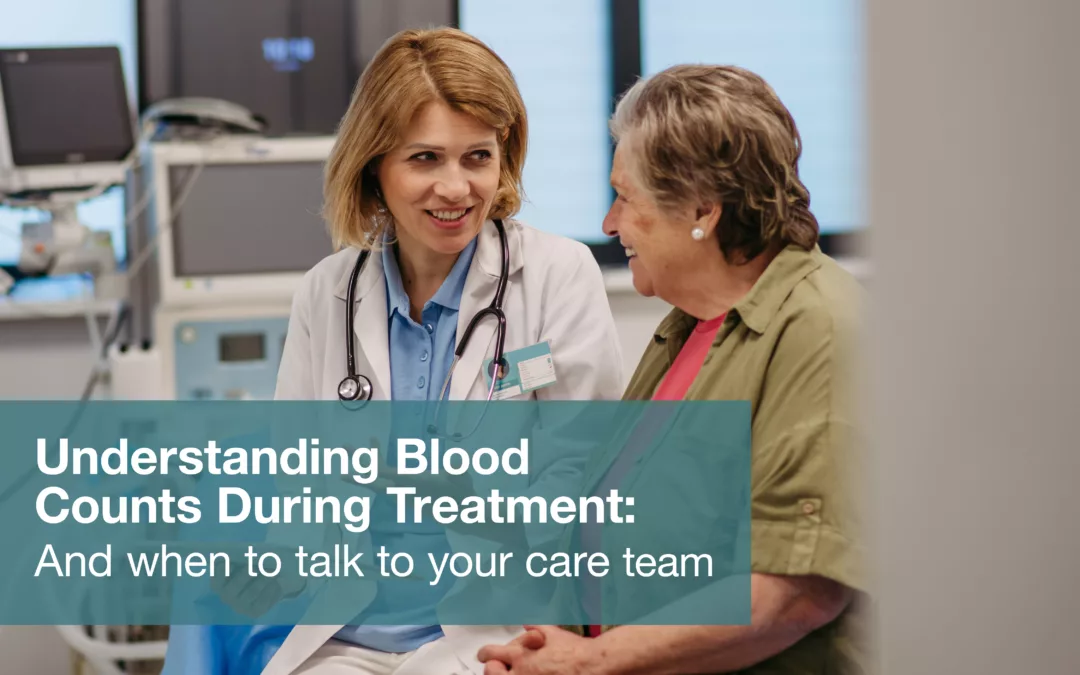
Understanding blood counts during treatment can help patients better navigate cancer care and know what to expect throughout the treatment process. Blood tests are a routine and important part of cancer treatment, providing information about how the body is responding and whether it is safe to continue therapy.
These tests, often called complete blood counts (CBC), measure different components of the blood and help guide treatment decisions. Learning what these numbers mean can help patients feel more informed and prepared during treatment.
Blood tests are commonly used to monitor overall health and treatment response in patients undergoing cancer therapy.
What is a Complete Blood Count
A complete blood count, or CBC, is a blood test that measures several important components of the blood. These include red blood cells, while blood cells, and platelets. Changes in these levels can occur during cancer treatment and may affect how a patient feels or how treatment is managed.
Key Blood Counts to Know
Red Blood Cells
Red blood cells carry oxygen throughout the body. A low red blood cell count, also known as anemia, can lead to:
- Fatigue
- Shortness of breath
- Dizziness
Treatment may be adjusted if anemia becomes more severe.
White Blood Cells
White blood cells help the body fight infection. A low white blood cell count, especially neutrophils, increases the risk of infection. This condition, called neutropenia, may require:
- Delaying treatment
- Medications to boost white blood cell production
- Additional precautions to reduce infection risk
Platelets
Platelets help the blood clot and prevent bleeding. Low platelet counts can increase the risk of bruising or bleeding. Symptoms may include:
- Easy bruising
- Nosebleeds
- Bleeding gums
Monitoring platelet levels helps ensure patient safety during treatment.
Why Blood Counts Change During Treatment
Cancer treatment such as chemotherapy, radiation therapy, and some targeted therapies can affect the bone marrow, where blood cells are produced.
As a result, blood counts may drop during treatment. These changes are common and are closely monitored by the care team to ensure that treatment remains safe and effective.
What Happens If Blood Counts Are Low
If blood counts fall below a certain level, your care team may adjust your treatment plan. This may include:
- Delaying treatment to allow recovery
- Reducing treatment doses
- Prescribing medications to support blood cell production
- Recommending transfusions in some cases
These adjustments are made to protect patient safety while continuing effective cancer treatment.
When to Contact Your Care Team
Patients should contact their healthcare provider if they experience symptoms that may be related to low blood counts, including:
- Fever or signs of infection
- Unusual fatigue or weakness
- Shortness of breath
- Easy bruising or bleeding
Communicating quickly with your care team can help address concerns early and prevent complications.
Staying Informed During Treatment
Understanding blood counts can help patients feel more confident and engaged in their care. Asking questions and reviewing lab results with your care team can provide clarity about what the numbers mean and how they affect treatment.
Blood tests are an important tool in guiding cancer care, and staying informed can help patients better navigate each step of the treatment process.
If you have been diagnosed with cancer and are looking to schedule an appointment or get a second opinion, schedule an appointment today.

by Jessica Mason Hewitt | Jul 15, 2026 | Uncategorized
Bone and sarcoma awareness is important because symptoms like unexplained bone pain can sometimes be an early sign of a more serious condition. While most bone pain is caused by injury, strain, or common conditions, persistent or unusual pain should not be ignored.
During Bone and Sarcoma Awareness Month, understanding when to seek medical evaluation can help support earlier diagnosis and appropriate care.
Sarcomas are a group of rare cancers that develop in the bones or soft tissues, including muscles, fat, and connective tissues. Because they are uncommon, symptoms are sometimes overlooked or attributed to less serious causes.
Understanding Bone Pain
Bone pain can occur for many reasons, including injury, overuse, or conditions such as arthritis. In many cases, it improves with rest or treatment.
However, certain types of pain may require further evaluation, especially when symptoms persist or worsen over time.
When Bone Pain Should Not Be Ignored
Most cases of bone pain are not cancer related. However, there are specific signs that may indicate the need for medical evaluation. You should talk with your healthcare provider if you experience:
- Pain that persists for several weeks without improvement
- Pain that worsens over time
- Pain that occurs at night or wakes you from sleep
- Swelling or a noticeable lump near the painful area
- Pain that is not related to a clear injury
- Unexplained fractures
These symptoms do not always mean cancer, but they should be evaluated to determine the cause.
What is Sarcoma
Sarcomas are cancers that develop in the bones or soft tissues. There are many different types of sarcomas, and they can occur anywhere in the body, but are found mostly in the arms, legs, chest, and abdomen.
Because sarcomas are rare, they can be more difficult to recognize early. Symptoms may be subtle at first, which is why awareness of persistent or unusual symptoms is important. Early evaluation can help ensure that appropriate imaging and testing are performed if needed.
How Sarcoma is Diagnosed
If a provider suspects a bone tumor or sarcoma, further evaluation may be recommended. Diagnosis may include:
- Imaging tests such as X-rays, MRI, or CT scans
- Evaluation by a specialist
- Biopsy to confirm the presence of cancer cells
Early and accurate diagnosis is important in determining the most appropriate treatment plan.
Why Early Evaluation Matters
Early detection of bone cancers and sarcomas can lead to more treatment options and improved outcomes. Because symptoms may be mild or mistaken for other conditions, it is important not to delay evaluation if something does not feel right.
Being aware of changes in your body and seeking medical advice when symptoms persist can help support earlier diagnosis.
When to Talk to Your Doctor
If you are experiencing persistent or unexplained bone pain, especially if it is worsening or associated with swelling or other changes, it is important to speak with your healthcare provider.
Bone and Sarcoma Awareness Month is an opportunity to recognize that while these cancers are rare, early awareness and evaluation can make a meaningful difference.
If you have been diagnosed with cancer and are looking to schedule an appointment or get a second opinion, schedule an appointment today.

by Jessica Mason Hewitt | Jul 10, 2026 | Uncategorized
UV safety month is an important reminder that sunscreen plays a key role in protecting your skin from harmful ultraviolet exposure. While many people use sunscreen, there are still common misconceptions about how it works and what actually provides effective protection.
Understanding the facts about sunscreen can help reduce the risk of skin damage and skin cancer. According to the Skin Cancer Foundation, daily use of sunscreen can significantly lower the risk of developing skin cancer.
Why Sunscreen Matters
Ultraviolet (UV) radiation from the sun can damage the DNA in skin cells, which may lead to premature aging and increase the risk of skin cancer. Both UVA and UVB rays contribute to skin damage.
- UVA rays penetrate deeper into the skin and contribute to aging and long-term damage
- UVB rays are primarily responsible for sunburn and play a significant role in the development of skin cancer
Using sunscreen consistently helps protect the skin from both types of UV radiation.
Common Sunscreen Myths and the Facts
Myth: You Only Need Sunscreen on Sunny Days
Fact: UV rays can penetrate clouds, meaning skin damage can occur even on overcast days. Sunscreen should be used daily, regardless of the weather.
Myth: Higher SPF Means You Do Not Need to Reapply
Fact: While higher SPF offers more protection, no sunscreen lasts all day. Sunscreen should be reapplied every two hours and after swimming and sweating.
Myth: One Application in the Morning Is Enough
Fact: Sunscreen wears off throughout the day. Reapplication is essential to maintain protection.
Myth: People with Darker Skin Do Not Need Sunscreen
Fact: Skin cancer can affect individuals of all skin tones. While melanin offers some natural protection, it does not eliminate risk.
Myth: Makeup with SPF Provides Enough Protection
Fact: Most people do not apply enough makeup to achieve full SPF protection. Dedicated sunscreen is still recommended.
What Actually Protects You Skin
Sunscreen is most effective when used as part of a broader sun protection strategy. To protect your skin:
- Use a broad-spectrum sunscreen that protects against both UVA and UVB rays
- Choose an SPF of 30 or higher
- Apply sunscreen generously to all exposed skin
- Reapply every two hours or after water exposure
- Seek shade during peak sun hours between 10 a.m. and 4 p.m.
- Wear protective clothing, hats, and sunglasses
These steps work together to reduce UV exposure and protect your skin over time.
Special Considerations During Cancer Treatment
Some cancer treatments can make the skin more sensitive to sunlight. Patients undergoing chemotherapy, radiation therapy, or certain targeted therapies may be more prone to sunburn or skin irritation.
If you are receiving treatment, talk with your care team about specific sun protection recommendations, including sunscreen types and additional protective measures.
Protecting Your Skin Year Round
UV exposure is not limited to summer months. Protecting your skin should be part of your daily routine throughout the year.
UV Safety Month is a reminder that small, consistent habits such as applying sunscreen and limiting sun exposure can help reduce long-term skin damage and support overall health.
If you have been diagnosed with cancer and are looking to schedule an appointment or get a second opinion, schedule an appointment today.

by Jessica Mason Hewitt | Jun 18, 2026 | Uncategorized
Hydration during cancer treatment plays an important role in supporting overall health, managing side effects, and helping the body recover. Many cancer therapies, including chemotherapy and targeted treatments, can affect how the body processes fluids and electrolytes.
Staying properly hydrated can help patients maintain energy levels, support organ function, and reduce certain treatment-related symptoms. For individuals undergoing cancer treatment, maintaining adequate fluid intake is an important part of supportive care.
According to the National Cancer Institute, proper nutrition and hydration are essential components of supportive care during cancer treatment.
How Cancer Treatment Can Affect Hydration
Cancer treatments can place additional stress on the body and may lead to dehydration more easily than usual. Some therapies can cause side effects that make it harder for patients to maintain fluid intake.
Common treatment-related factors that may contribute to dehydration include:
- Nausea or vomiting
- Diarrhea
- Loss of appetite
- Mouth sores that make drinking uncomfortable
- Fever or infection
- Certain medications that affect kidney function
Because the body may lose fluids more quickly during treatment, maintaining hydration becomes especially important.
Benefits of Staying Hydrated During Treatment
Drinking enough fluids during cancer treatment can support several important functions in the body. Proper hydration may help:
- Maintain healthy kidney function
- Support digestion and nutrient absorption
- Reduce fatigue
- Help regulate body temperature
- Prevent dizziness or headaches
- Support circulation and overall organ function
In some cases, staying hydrated can also help the body process certain chemotherapy drugs more effectively.
Signs of Dehydration to Watch For
Recognizing the early signs of dehydration can help patients address the issue before it becomes more serious. Symptoms of dehydration may include:
- Dry mouth or increased thirst
- Dark yellow urine or reduced urination
- Fatigue or weakness
- Dizziness or lightheadedness
- Headaches
- Rapid heartbeat
If these symptoms occur, it is important to increase fluid intake and notify your care team if symptoms persist.
Tips for Staying Hydrated
Maintaining hydration during cancer treatment does not always mean drinking large amounts of water at once. Small, consistent habits can help improve fluid intake throughout the day. Helpful strategies may include:
- Drinking small amounts of fluids regularly throughout the day
- Choosing beverages such as water, herbal tea, broth, or electrolyte drinks if recommended
- Eating foods with high water content such as fruits, vegetables, soups, and smoothies
- Carrying a water bottle as a reminder to drink fluids regularly
- Drinking fluids between meals if nausea or fullness occurs during eating
Patients experiencing significant nausea, vomiting, or difficulty drinking fluids should speak with their healthcare provider for guidance.
When to Talk to Your Care Team
Dehydration can sometimes require medical attention, particularly if symptoms worsen or fluids cannot be kept down. Patients should contact their care team if they experience:
- Persistent vomiting or diarrhea
- Inability to keep fluids down
- Severe dizziness or weakness
- Signs of confusion or extreme fatigue
Healthcare providers can help determine whether additional hydration support or medication adjustments may be needed.
Supporting Your Body During Treatment
Hydration is one of many ways patients can support their bodies during cancer treatment. Along with proper nutrition, rest, and regular communication with the care team, maintaining fluid intake can help support recovery and overall well-being.
Understanding how hydration affects the body can help patients make small daily choices that support their health throughout treatment.
If you have been diagnosed with cancer and are looking to schedule an appointment or get a second opinion, schedule an appointment today.

by Jessica Mason Hewitt | Jun 10, 2026 | Uncategorized
Men’s health and cancer screenings play an important role in detecting cancer early, when treatment is often most effective. Regular screenings can help identify cancer before symptoms develop, allowing for earlier diagnosis and better outcomes.
During Men’s Health Month, it is important for men to understand which cancer screenings may be recommended based on age, risk factors, and personal health history. Speaking with a healthcare provider about screening options can help ensure that the right preventative steps are taken.
Routine screenings are one of the most effective ways to detect certain cancers early and improve survival rates.
Why Cancer Screenings Matter for Men
Many cancers do not cause noticeable symptoms in their early stages. Screening tests are designed to detect cancer before symptoms appear to identify abnormal changes that could develop into cancer.
Early detection can often mean more treatment options, less aggressive therapy, and improved outcomes. Regular checkups and discussions with a healthcare provider can help determine which screenings are appropriate.
Prostate Cancer Screening
Prostate cancer is one of the most common cancers affecting men. Screening may include a prostate-specific antigen (PSA) blood test and, in some cases, a digital rectal exam.
Guidelines recommend that men discuss prostate cancer screening with their healthcare provider starting around age 50 for those at average risk. Men who have higher risk factors, such as a family history of prostate cancer or certain genetic conditions, may benefit from earlier discussions.
Colorectal Cancer Screening
Colorectal (colon) cancer affects both men and women, but it remains one of the leading causes of cancer-related deaths when not detected early.
The American Cancer Society recommends that adults at average risk begin colorectal cancer screening at age 45. Screening options may include colonoscopy, stool-based tests, or other imaging tests depending on individual risk factors and provider recommendations.
Screening can also help detect and remove precancerous polyps before they develop into cancer.
Lung Cancer Screening for High-Risk Individuals
Lung cancer screening may be recommended for individuals who have a history of smoking. Screening typically involves a low-dose CT scan that can help detect lung cancer at an earlier stage.
Adults between certain ages who currently smoke or previously smoked heavily may qualify for lung cancer screening. Discussing personal smoking history with a healthcare provider can help determine eligibility.
Testicular Health Awareness
Testicular cancer is less common but is one of the most frequently diagnosed cancers among younger men. Being aware of changes in the testicles and discussing any unusual symptoms with a healthcare provider is important for early evaluation.
Some men may choose to perform regular testicular self-exams to become familiar with what is normal for their bodies and to identify changes more quickly. Symptoms such as lumps, swelling, or discomfort in the testicles should be evaluated promptly
Talking to Your Doctor About Screenings
Every person’s health history and risk factors are different. A healthcare provider can help determine which screenings are appropriate and how often they should be performed.
Men’s Health Month serves as a reminder that taking proactive steps, including scheduling routine screenings and checkups, can play a critical role in long-term health and cancer prevention.