
by Jessica Mason Hewitt | Jun 3, 2026 | Uncategorized
Cancer survivorship begins at the time of a cancer diagnosis and continues throughout the rest of a person’s life. While completing treatment is an important milestone, many patients find that life after cancer comes with new questions, challenges, and adjustments.
During National Cancer Survivors Month, it is important to recognize that survivorship includes physical recovery, emotional well-being, and ongoing medical care. With the right support and follow-up care, many cancer survivors are able to return to daily activities and focus on long-term health.
According to the National Cancer Institute, there are millions of cancer survivors in the United States, highlighting the importance of survivorship care and support.
What Is Cancer Survivorship?
Cancer survivorship refers to the period from diagnosis and continues for the remainder of a person’s life. Survivorship includes people who are currently undergoing treatment, those who have completed treatment, and individuals who are living with cancer as a chronic condition.
Survivorship care focuses on helping individuals manage long-term health, monitor for recurrence, and maintain quality of life after treatment.
Follow-Up Care After Cancer Treatment
Regular follow-up care is an important part of survivorship. Even after treatment ends, ongoing monitoring helps healthcare providers detect recurrence, manage long-term side effects, and address any new health concerns.
Follow-up care may include:
- Physical exams
- Blood tests
- Imaging studies
- Monitoring for treatment-related side effects
- Discussions about lifestyle and overall health
The frequency of follow-up visits often depends on the type of cancer, the treatments received, and a patient’s individual health history.
Managing Long-Term and Late Side Effects
Some cancer treatments can cause side effects that continue after treatment ends or develop months or years later. These are often referred to as long-term or late effects.
Common survivorship concerns may include:
- Fatigue
- Nerve damage (neuropathy)
- Changes in memory or concentration
- Hormonal changes, infertility or fertility challenges
- Bone health concerns
- Heart or lung complications depending on treatment type
Discussing any new or persistent symptoms with your care team can help identify strategies for managing these effects.
Creating a Survivorship Care Plan
Many cancer patients receive a survivorship care plan after completing treatment. This document helps outline important information about your diagnosis, treatments received, and recommended follow-up care. A survivorship care plan may include:
- A summary of the cancer diagnosis and treatments received
- A schedule for follow-up appointments and imaging tests
- Recommended screenings for recurrence or secondary cancers
- Information about possible long-term or late side effects
- Guidance on healthy lifestyle habits and preventive care
Having this information in one place can help survivors better understand their health history and coordinate care with their primary care provider and specialists. Survivorship care plans are designed to support long-term health and help patients feel more confident navigating life after treatment.
Emotional and Mental Health After Cancer
Life after cancer treatment can bring a wide range of emotions. Some survivors feel relief and gratitude, while others may experience anxiety, uncertainty, or fear of recurrence.
These feelings are common and an important part of the survivorship journey. Support from healthcare providers, counselors, support groups, or survivorship programs can help individuals navigate these emotions and maintain overall well-being.
Building Healthy Habits After Treatment
Many survivors use this stage of life as an opportunity to focus on long-term health and wellness. Healthy lifestyle choices can support recovery and improve overall well-being. Helpful habits may include:
- Maintaining a balanced diet
- Staying physically active
- Getting adequate sleep
- Avoiding tobacco use
- Limiting alcohol consumption
- Keeping up with recommended screenings and checkups
Working with your healthcare provider team can help you create a plan that supports your individual health needs.
Moving Forward After Cancer
Cancer survivorship is a journey that continues long after treatment ends. Ongoing medical care, emotional support, and healthy lifestyle habits can help survivors maintain their health and quality of life.
National Cancer Survivors Month is an opportunity to celebrate the strength of survivors and recognize the importance of continued support, education, and care throughout the survivorship journey.
by Jessica Mason Hewitt | May 21, 2026 | Uncategorized
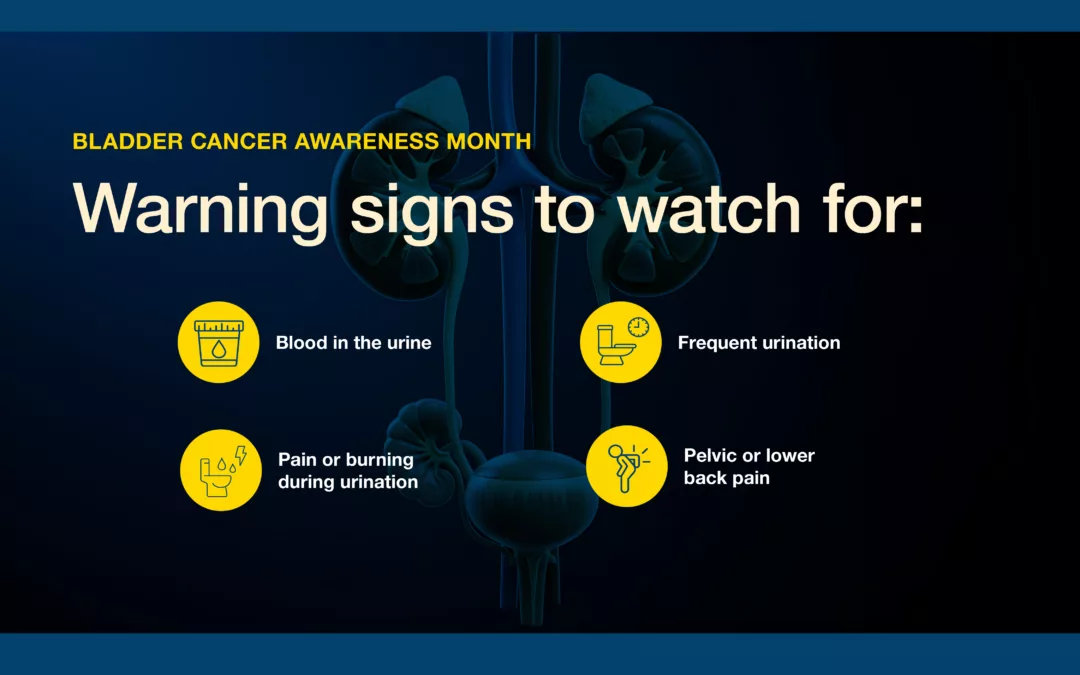
Bladder cancer awareness starts with recognizing symptoms that should never be ignored, including blood in the urine. While this symptom can be caused by several conditions, it is important to have it evaluated by a healthcare provider as soon as possible.
Bladder cancer is one of the most common cancers of the urinary system, and early detection can make a significant difference in treatment outcomes. During Bladder Cancer Awareness Month, understanding the warning signs and risk factors can help encourage earlier evaluation and diagnosis.
The Most Common Symptom of Bladder Cancer
The most common early symptom of bladder cancer is blood in the urine, also called hematuria. Blood in the urine may appear bright red, pink, or cola-colored, though sometimes it may only be detected during a laboratory test.
In many cases, hematuria occurs without pain, which can make it easy to overlook or delay evaluation. Other possible symptoms may include:
- Frequent urination
- Pain or burning during urination
- Feeling the need to urinate without passing much urine
- Lower back pain on one side
- Pelvic discomfort
These symptoms can also be caused by other conditions such as infections or kidney stones, but persistent or unexplained symptoms should be evaluated.
Why Early Evaluation Matters
Seeing blood in the urine can be alarming, but many people delay evaluation because the symptoms may come and go or happen without pain. Even if it only happens once, it should always be discussed with a healthcare provider.
Early evaluation allows providers to determine the cause and rule out serious conditions. When bladder cancer is detected in its earliest stages, treatment can often be less invasive and more effective.
According to the American Cancer Society, the five-year survival rate for bladder cancer that has not spread beyond the bladder is significantly higher than for cancers detected at later stages.
How Bladder Cancer Is Diagnosed
If a provider suspects bladder cancer, several tests may be used to determine the cause of symptoms. Diagnosis may involve:
- Urine testing, which can detect blood or abnormal cells
- Imaging studies such as CT scans or ultrasound to evaluate the urinary tract
- Cystoscopy, a procedure that allows doctors to examine the inside of the bladder using a thin camera
- Biopsy, where a small sample of tissue is removed and examined under a microscope
These tests help determine whether cancer is present and guide the next steps in care.
Treatment Options for Bladder Cancer
Treatment for bladder cancer depends on several factors, including the stage of the cancer, whether it has spread, and a patient’s overall health. Treatment options may include:
- Surgery to remove tumors or part of the bladder
- Intravesical therapy, where medication is placed directly into the bladder
- Chemotherapy
- Immunotherapy
- Radiation therapy
- Targeted therapy
In many cases, bladder cancer can be treated successfully, particularly when it is detected early. Treatment plans are personalized and may involve a multidisciplinary care team.
Being proactive about your health starts with understanding your symptoms and knowing what questions to ask during a medical visit.
Questions to Ask Your Doctor About Bladder Cancer Symptoms
If you notice blood in your urine or other urinary changes, it can be helpful to prepare questions before your appointment. Open communication with your healthcare provider can help ensure you understand the cause of your symptoms and the next steps for evaluation.
Consider asking your doctor:
- What could be causing blood in my urine?
- What tests will help determine the cause of my symptoms?
- Do I need imaging or a cystoscopy to evaluate my bladder?
- If cancer is found, what stage is it and what does that mean for treatment?
- What treatment options may be available to me?
- Should I see a specialist such as a urologist or an oncologist?
Writing down symptoms, when they started, and how often they occur can also help your provider better understand what you are experiencing.
When to Talk to Your Doctor
Any episode of blood in the urine should be evaluated by a healthcare provider, even if it occurs only once or resolves on its own. Early medical evaluation can identify the cause and ensure appropriate care.
Bladder Cancer Awareness Month is an important reminder that recognizing symptoms and seeking timely evaluation can help support earlier diagnosis and better outcomes.
If you have been diagnosed with cancer and are looking to schedule an appointment or get a second opinion, schedule an appointment today.

by Jessica Mason Hewitt | May 12, 2026 | Uncategorized
Women’s health month is an important reminder for women to prioritize cancer screenings that can help detect disease early, when treatment is often most effective. Regular screenings play a critical role in identifying cancers before symptoms appear and improving long-term outcomes.
During Women’s Health Month, taking time to understand recommended screenings and when to schedule them can help women stay proactive about their health.
Routine cancer screenings can help detect certain cancers at an early stage or even prevent them altogether.
Why Cancer Screenings Matter
Many cancers develop without noticeable symptoms in their early stages. Screening tests are designed to detect cancer before symptoms begin or identify abnormal cells that could become cancer in the future. Early detection can lead to more treatment options, less aggressive therapies, and improved survival rates.
Regular screenings are an important part of preventative health care, particularly for cancers that are known to affect women.
Breast Cancer Screening
Breast cancer is one of the most common cancers affecting women. Screening mammograms can detect breast cancer early, sometimes before a lump can be felt.
Most guidelines recommend that women begin discussing mammogram screening with their healthcare provider in their 40s, with screening schedules determined based on individual risk factors.
Women with a family history of breast cancer or certain genetic factors may need earlier or more frequent screening.
Cervical Cancer Screening
Cervical cancer screening helps detect abnormal cells in the cervix that could develop into cancer if left untreated. Screening options include:
- Pap test, which identifies abnormal cervical cells
- HPV testing, which detects high-risk types of human papillomavirus associated with cervical cancer
Routine screening has significantly reduced cervical cancer rates by allowing providers to detect and treat abnormal cells early.
Colorectal Cancer Screening
Colorectal (colon) cancer affects both men and women, but screening is essential for women as well. Screening can detect precancerous polyps that can be removed before they become cancer.
The American Cancer Society recommends that adults at average risk begin colorectal cancer screening at age 45.
Screening options may include colonoscopy, stool-based tests, or other imaging tests depending on individual risk and provider recommendations.
Lung Cancer Screening for High-Risk Individuals
Women who have a history of heavy smoking may qualify for lung cancer screening using a low-dose CT scan.
Screening is typically recommended for adults between certain ages who currently smoke or previously smoked heavily. Lung cancer screening can help detect cancer earlier, when treatment may be more effective.
Women should discuss their smoking history and risk factors with their healthcare provider to determine whether screening is appropriate.
Taking a Proactive Approach to Health
Women’s Health Month is a reminder that preventative care plays a critical role in long-term health. Scheduling recommended screenings, maintaining regular checkups, and discussing family health history with a healthcare provider can help ensure the right screenings are completed at the appropriate time.
If you are unsure which screenings are right for you, our team is here to help you create a personalized screening plan based on your age, health history, and risk factors.

by Jessica Mason Hewitt | Apr 15, 2026 | Uncategorized
Testicular cancer awareness and early detection can make a life-saving difference, especially for younger men. Testicular cancer is one of the most treatable cancers when detected early, yet many men are unaware of the symptoms or the importance of regular self-exams.
During Testicular Cancer Awareness Month, it’s important to highlight how simple self-awareness and early evaluation can lead to earlier diagnosis and highly successful treatment outcomes.
According to the American Cancer Society, testicular cancer is most commonly diagnosed in men between the ages of 20 and 34, although it can occur at any age.
Understanding Testicular Cancer
Testicular cancer develops in the testicles, which are located in the scrotum and are responsible for producing sperm and the hormone, testosterone. The most common type begins in germ cells, which are the cells that produce sperm.
Although testicular cancer is relatively uncommon compared with other cancers, it is one of the most common cancers in younger men.
The good news is that when found early, treatment is often very effective.
Signs and Symptoms to Watch For
Being aware of changes in the testicles is one of the most important steps in early detection. Symptoms may include:
- A painless lump or swelling in either testicle
- A feeling of heaviness in the scrotum
- Pain or discomfort in the testicle or scrotum
- Enlargement or tenderness of breast tissue
- Dull ache in the lower abdomen or groin
- Sudden fluid buildup in the scrotum
Not all lumps or changes are cancer, but any unusual changes should be evaluated by a healthcare provider.
Why Self-Exams Matter
Many cases of testicular cancer are first discovered by men themselves. Regular self-exams can help individuals become familiar with what is normal for their bodies and recognize changes more quickly.
A self-exam only takes a few minutes and can be performed during or after a warm shower when the skin of the scrotum is relaxed.
During a self-exam:
- Gently roll each testicle between your fingers and thumb
- Look for lumps, swelling, or changes in size or firmness
- Notice any discomfort or unusual sensations
If something feels different or unusual, it is important to schedule a medical evaluation.
Risk Factors for Testicular Cancer
Certain factors may increase the risk of developing testicular cancer, including:
- A history of undescended testicle
- Family history of testicular cancer
- Personal history of testicular cancer
- Certain genetic conditions
- Being between the ages of 20 and 40
However, many men diagnosed with testicular cancer do not have any known risk factors.
Early Detection Leads to Better Outcomes
The survival rate for testicular cancer is very high, particularly when the disease is found early. According to the American Cancer Society, the five-year survival rate for localized testicular cancer is more than 95 percent. This is why awareness, self-exams, and timely medical evaluation are so important.
Talking openly about testicular health and encouraging regular self-checks can help more men recognize symptoms earlier and seek care when needed.

by Jessica Mason Hewitt | Apr 9, 2026 | Uncategorized
Head and neck cancer symptoms can sometimes seem minor at first but recognizing them early can make a meaningful difference in diagnosis and treatment outcomes. During Head and Neck Cancer Awareness Month, it is important to understand the warning signs and know when to talk with a healthcare provider.
Head and neck cancers develop in the mouth, throat, voice box, nasal cavity, sinuses, or salivary glands. These cancers often begin in the squamous cells that line the surfaces of these areas. According to the American Cancer Society, more than 65,000 people in the United States are diagnosed with head and neck cancers each year.
Awareness of symptoms and risk factors can help support earlier evaluation and treatment.
Common Symptoms to Watch For
Many symptoms of head and neck cancer can resemble common illnesses or minor conditions. However, symptoms that persist for more than two weeks should be evaluated by a healthcare provider.
Signs that should not be ignored include:
- A persistent sore throat
- Hoarseness or changes in the voice
- Difficulty swallowing or pain when swallowing
- A lump or swelling in the neck
- Mouth sores that do not heal
- Persistent ear pain
- Unexplained weight loss
- Red or white patches inside the mouth
While these symptoms may be caused by other conditions, early evaluation helps rule out serious concerns and ensures timely care if needed.
Risk Factors for Head and Neck Cancer
Several factors can increase a person’s risk of developing head and neck cancer.
The most common risk factors include:
- Tobacco use, including cigarettes, cigars, pipes, and smokeless tobacco
- Heavy alcohol consumption
- Infection with human papillomavirus (HPV), particularly HPV-16
- Prolonged sun exposure to the lips
- Poor oral hygiene
- Exposure to certain workplace chemicals or dust
HPV-related cancers of the throat have become increasingly common in recent years, particularly among younger adults who may not have traditional risk factors such as tobacco use.
Why Early Evaluation Matters
Head and neck cancers are often more treatable when they are detected early. If symptoms persist or worsen, your provider may recommend imaging tests, a biopsy, or referral to a specialist for further evaluation.
Early diagnosis can allow for more treatment options and may reduce the need for more aggressive therapies.
Regular dental visits, awareness of changes in your mouth or throat, and conversations with your healthcare provider about symptoms are important steps in early detection.
When to Talk to Your Doctor
If you notice any persistent symptoms involving the mouth, throat, or neck, especially those lasting longer than two weeks, it is important to seek medical evaluation. Early assessment helps identify the cause and ensures appropriate care.
During Head and Neck Cancer Awareness Month, taking a moment to understand these warning signs can help individuals recognize when to seek care and support earlier detection.

by Jessica Mason Hewitt | Mar 24, 2026 | Uncategorized
Living with multiple myeloma can be physically and emotionally challenging, but understanding the disease and available treatments can help patients and families navigate the journey with more confidence and support.
What Is Multiple Myeloma?
Multiple myeloma is a type of blood cancer that forms in plasma cells, a kind of white blood cell found in the bone marrow that helps the body fight infections. In myeloma, these cells become cancerous and crowd out healthy blood cells, leading to symptoms like fatigue, bone pain, and increased risk of infection.
Unlike other cancers, multiple myeloma is often chronic, meaning it may not be curable but can often be managed over time with treatment.
Common Symptoms
Myeloma can affect different parts of the body and cause a variety of symptoms, including:
- Bone pain or fractures (especially in the back, ribs, or hips)
- Fatigue or weakness
- Frequent infections
- High calcium levels
- Kidney dysfunction
- Weight loss or appetite changes
Talk to your doctor if you’re experiencing persistent or unexplained symptoms.
Risk Factors and Diagnosis
Multiple myeloma most often affects people over age 65, and it’s more common in men and in African American populations. Other risk factors include:
- A personal history of monoclonal gammopathy of undetermined significance (MGUC)
- Family history of myeloma
- Obesity or long-term exposure to certain chemicals like pesticides or radiation
Diagnosis typically involves blood tests, urine tests, bone marrow biopsy, and imaging studies (X-rays, CT scans, or MRIs).
Treatment Options
Treatment is highly individualized and may include:
- Targeted therapy
- CAR-T Cell Therapy
- Corticosteroids
- Stem cell transplant (often after initial treatment to prolong remission)
New therapies are emerging that offer hope for longer remission periods and improved quality of life. Many patients live for years with myeloma, especially with early diagnosis, newer treatments, and strong care teams.
Living with Myeloma
Myeloma is a complex disease that requires ongoing monitoring and lifestyle support. Patients and caregivers should prioritize:
- Regular follow-ups with their oncology team
- Managing side effects like fatigue and bone loss
- Infection prevention strategies
- Mental and emotional well-being
- Support groups and education resources
You are not alone. There are resources, treatments, and communities ready to walk alongside you.