by Jessica Mason Hewitt | Mar 11, 2026 | Uncategorized
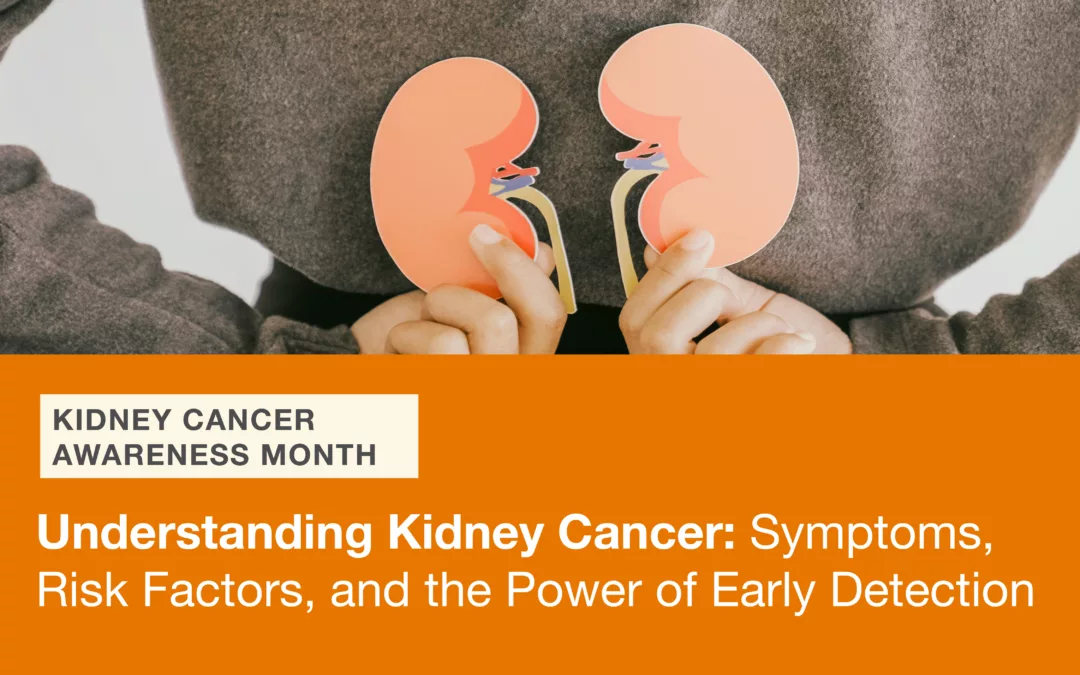
Kidney cancer is often caught by chance, but recognizing symptoms and understanding risk factors can help you take control of your health and catch it early.
What is Kidney Cancer?
Kidney cancer begins in the tissues of the kidneys, the two bean-shaped organs located on either side of the spine. The most common type is renal cell carcinoma, which accounts for about 90% of adult kidney cancers. While some tumors are slow growing, others can be aggressive and require early diagnosis for the best outcome.
Symptoms of Kidney Cancer
In the early stages, kidney cancer may not cause noticeable symptoms. As the disease progresses, you may experience:
- Blood in the urine (hematuria)
- Persistent pain in the side or back
- Unexplained weight loss
- Fatigue
- A lump or mass in the abdomen or side
- Fever not caused by an infection
- Swelling in the legs or ankles
Because many of these symptoms overlap with other health issues, it’s important to speak with your provider if you notice any changes.
What Are the Risk Factors?
Certain factors can increase your risk of developing kidney cancer, including:
- Smoking
- Obesity
- High blood pressure
- Family history of kidney cancer
- Chronic kidney disease or long-term dialysis
- Exposure to harmful substances, such as a trichloroethylene or cadmium in the workplace
Men and people over 60 are also at higher risk.
How is Kidney Cancer Diagnosed?
Many cases of kidney cancer are discovered during imaging for unrelated issues. Diagnosis may include:
- Blood and urine tests to assess kidney function
- Imaging studies such as ultrasound, CT scan, or MRI
- Biopsy, if needed to confirm diagnosis
Why Early Detection Matters
Finding kidney cancer early, before it spreads beyond the kidney, significantly improves treatment success. According to the American Cancer Society, the 5-year relative survival rate for localized kidney cancer is 93%.
Routine checkups and talking with your doctor about symptoms or family history can lead to early detection and better outcomes.
Treatment Options
Depending on the stage and type, treatment may include:
- Surgery to remove part of all of the kidney
- Ablation or embolization therapies
- Immunotherapy
- Targeted therapy
- Active surveillance for small, slow-growing tumors
Your care team will guide you through the best approach based on your individual needs.
by Jessica Mason Hewitt | Mar 3, 2026 | Uncategorized
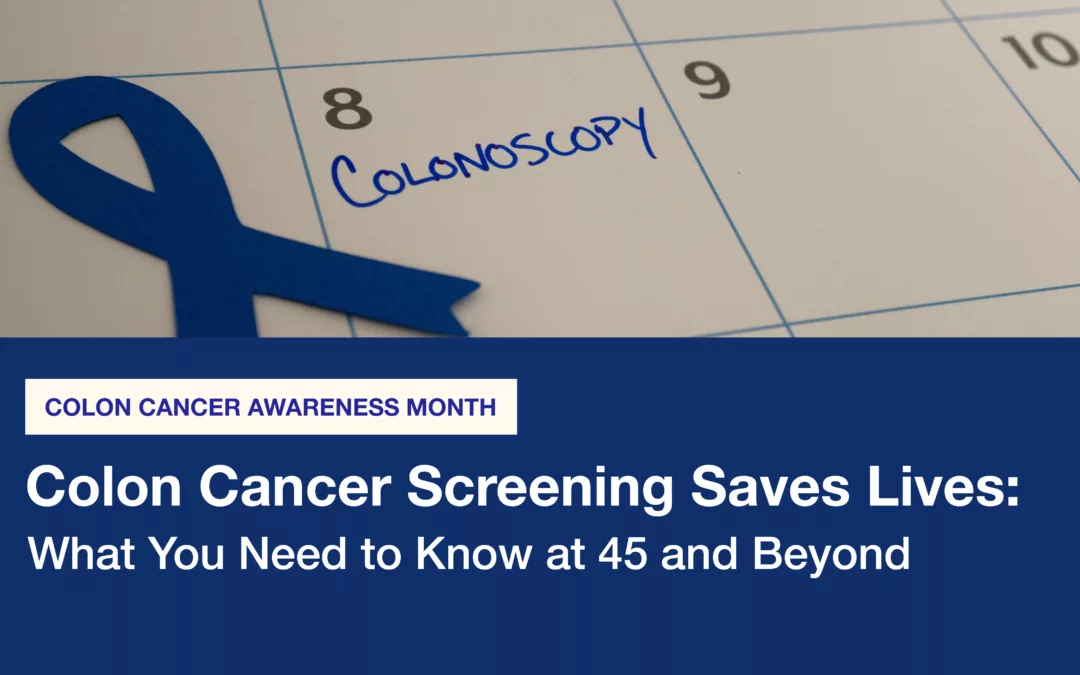
Colon cancer screening saves lives, and if you’re 45 or older, now is the time to start. Regular screening can help detect colon cancer early, when it’s most treatable, and even prevent it by finding and removing precancerous polyps.
Why Screening Matters
Colon cancer (also called colorectal cancer) is the second leading cause of cancer-related death in the United States for both men and women, yet is also one of the most preventable forms of cancer. Screening allows doctors to find changes in the colon or rectum before cancer develops or in its earliest stages, when treatment is most effective.
The American Cancer Society recommends that adults at average risk begin regular colon cancer screening at age 45.
What Are the Screening Options?
There are several effective screening methods, and your provider can help you choose the one that’s best for you:
- Colonoscopy (every 10 years): A procedure that allows doctors to examine the entire colon and remove polyps if needed
- Stool-based tests:
- FIT (Fecal Immunochemical Test) or gFOBT (every year): Detect blood in the stool.
- Stool DNA test (e.g. Cologuard) (every 3 years): Looks for DNA changes and blood.
- Flexible sigmoidoscopy (every 5 years): Examines the lower part of the colon.
If any of these tests show abnormal results, a follow-up colonoscopy is usually recommended.
Who Is at Higher Risk?
Some people should begin screening earlier or be screened more frequently. Risk factors include:
- Personal or family history of colon cancer or polyps
- A history of inflammation bowel disease (Crohn’s disease or ulcerative colitis)
- Certain hereditary conditions like Lynch syndrome or familial adenomatous polyposis (FAP)
Talk to your doctor about your personal risk and the right screening plan for you.
How You Can Take Action
- If you’re 45 or older, ask your doctor about getting screened
- Know your family history and share it with your care team
- Maintain a healthy diet, limit alcohol, avoid smoking, and stay active; all of which may help lower your risk
Early detection saves lives. Screening is simple, often covered by insurance, and could be the most important step you take this year.
by Jessica Mason Hewitt | Feb 25, 2026 | Uncategorized
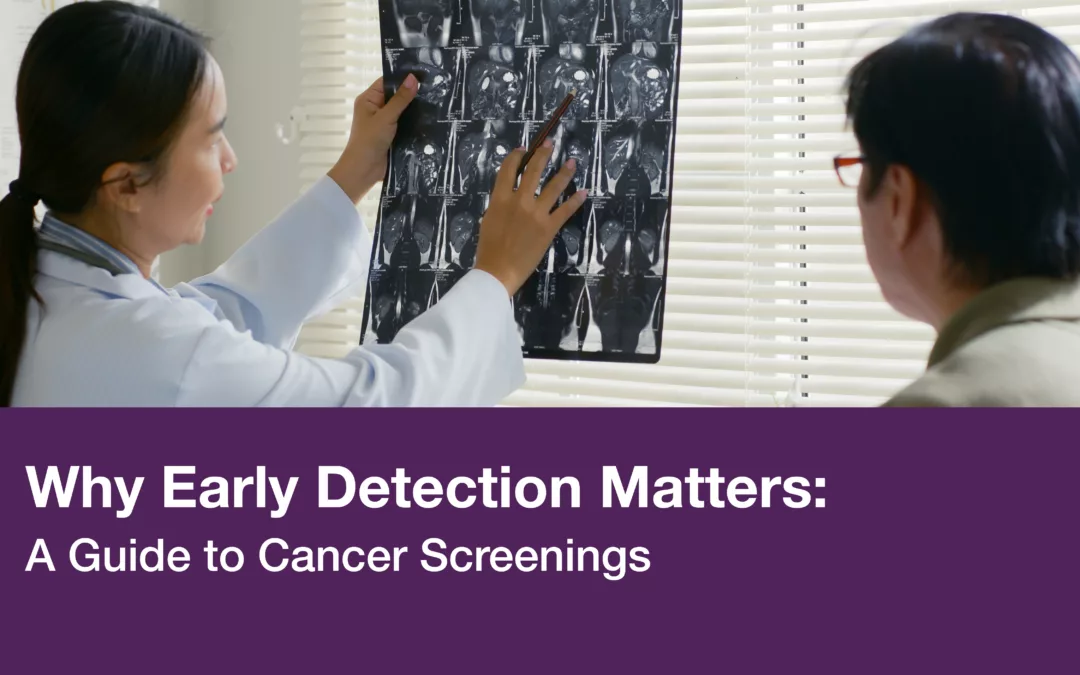
Early cancer detection can save lives. When cancer is found in its earliest stages, it is often easier to treat, less likely to have spread, and associated with better outcomes. That is why routine screenings are such a powerful part of cancer prevention and care.
As part of National Cancer Prevention Month, we are highlighting how screenings work, what tests may be recommended, and why speaking with you provider could make all the difference.
Why Timing Matters
Many types of cancer grow slowly and quietly. You may not notice symptoms until the disease has advanced. In some cases, like cervical or colon cancer, screening can even detect abnormal cells before they become cancer at all.
The earlier cancer is detected, the more options patients usually have for treatment and recovery. Regular screenings help providers identify changes before they become more serious.
Recommended Cancer Screenings
Your screening plan may depend on your age, gender, health history, and family background. These are some of the most common screening tests used in cancer prevention:
Your provider will help determine which tests are appropriate based on your health profile.
Risk Factors That May Require Earlier Screening
Some individuals may need screenings at a younger age or more frequently. Talk to your care team if you have:
- A personal or family history of cancer
- A known genetic mutation, such as BRCA1 or BRCA2
- A history of smoking or heavy alcohol use
- Obesity or a sedentary lifestyle
- Exposure to certain chemicals or radiation
- A weakened immune system
Risk-based screening plans help personalize your care and may lead to earlier interventions when needed.
Overcoming Common Barriers
Many people delay or skip screenings because they are nervous, unsure about the process, or feel healthy and symptom-free. But early detection is often most effective before symptoms start. If you are unsure where to begin, your provider or care navigator can walk you through next steps, coverage options, and testing logistics.
Remember: screening is not the same as a diagnosis. It is a proactive step you can take to protect your long-term health.
Talk to Your Provider
You do not need to navigate this alone. Whether it has been years since your last screening or you are not sure what you need, now is the time to have that conversation. Your provider will help you understand your risk, review your family history, and recommend the right tests for you.
Taking action today could change everything tomorrow.
Reach out to our office today to schedule your screening needs today at 843-790-8280.
by Jessica Mason Hewitt | Feb 18, 2026 | Uncategorized
Gallbladder and bile duct cancer are rare but serious cancers that affect the organs responsible for storing and transporting bile, a digestive fluid produced by the liver. Because symptoms can be subtle or appear late, awareness and early evaluation are critical to improving outcomes.
February is Gallbladder and Bile Duct Cancer Awareness Month, making it an important time to understand risk factors, symptoms, and when to talk with a healthcare provider.
What Are Gallbladder and Bile Duct Cancers?
The gallbladder is a small organ beneath the liver that stores bile, which helps digest fat. Gallbladder cancer occurs when abnormal cells grow uncontrollably in the gallbladder. Bile duct cancer, also known as cholangiocarcinoma, develops in the bile ducts that carry bile from the liver to the gallbladder and small intestine. These cancers may occur inside the liver (intrahepatic) or outside the liver (extrahepatic).
Both cancers are considered rare, but they can be aggressive and are often diagnosed at later stages.
Common Symptoms to Know
Symptoms may not appear early, but when they do, they can include:
- Jaundice, which causes yellowing of the skin or eyes
- Abdominal pain, especially in the upper right side
- Unexplained weight loss
- Loss of appetite
- Nausea or vomiting
- Itching
- Fever or fatigue
Risk Factors
Certain factors may increase the risk of gallbladder or bile duct cancer, including:
- Gallstones or chronic gallbladder inflammation
- Liver disease or cirrhosis
- Congenital bile duct abnormalities
- Certain infections or parasitic exposures
- Family history of gallbladder or bile duct cancer
Not everyone with risk factors will develop cancer, but awareness can help prompt earlier evaluation.
How These Cancers Are Diagnosed
Diagnosis may involve:
- Blood tests to assess liver function and check tumor markers such as CA 19‑9 and CEA (carcinoembryonic antigen), which may be elevated in some gallbladder or bile duct cancers
- Imaging studies such as ultrasound, CT scans, or MRI to look for tumors or blockages
- Endoscopic procedures to examine the bile ducts more closely and collect samples if needed
- Biopsy to confirm the presence of cancer
Treatment Options
Treatment depends on the cancer type, location, stage, and overall health. Options may include:
- Surgery to remove the tumor when possible
- Chemotherapy
- Radiation therapy
- Targeted therapy in select cases
- Supportive care to manage symptoms and quality of life
Care plans are highly individualized and may involve a multidisciplinary oncology team.
When to Talk to Your Doctor
You should contact your provider if you experience persistent digestive symptoms, unexplained jaundice, or abdominal pain, especially if you have known risk factors. Early evaluation may lead to earlier diagnosis and more treatment options.
Moving Forward with Awareness
While gallbladder and bile duct cancers are rare, awareness matters. Understanding symptoms and risk factors empowers individuals to seek care sooner and supports better outcomes through timely diagnosis and treatment.
by Jessica Mason Hewitt | Feb 12, 2026 | Uncategorized
Lowering your cancer risk starts with understanding the steps you can take today to support long-term health. February is National Cancer Prevention Month, a time to focus on prevention, education, and early action that can reduce the risk of developing cancer over a lifetime.
While not all cancers can be prevented, research shows that many cases are linked to modifiable lifestyle factors and preventative care. Small, consistent choices can make a meaningful difference.
What Cancer Prevention Really Means
Cancer prevention does not mean eliminating risk entirely. It means reducing risk where possible and detecting cancer early when it is most treatable. According to the American Cancer Society, about 40 percent of cancer cases and nearly 45 percent of cancer deaths in the United States are linked to preventable risk factors.
Steps You Can Take to Lower Your Cancer Risk
- Avoid tobacco in all forms
Smoking is the leading cause of preventable cancer deaths and is linked to cancers of the lung, mouth, throat, esophagus, bladder, pancreas, kidney, and more. Avoiding tobacco and secondhand smoke is one of the most impactful ways to lower cancer risk.
- Maintain a healthy weight and stay physically active
Regular physical activity and maintaining a healthy weight may lower the risk of several cancers, including breast, colorectal, endometrial, and kidney cancer. Even moderate movement like walking can provide benefits.
- Eat a balanced, nutritious diet
A diet rich in fruits, vegetables, whole grains, and lean proteins supports overall health and may reduce cancer risk. Limiting processed foods, red meat, and sugary drinks is also recommended.
- Protect your skin from the sun
Ultraviolet radiation from the sun and tanning beds increases the risk of skin cancer, including melanoma. Use sunscreen, seek shade, wear protective clothing, and avoid tanning beds.
- Stay up to date on recommended vaccinations
Vaccines can help prevent infections linked to cancer, including HPV and hepatitis B. These vaccines lower the risk of cervical, liver, throat, and other cancers.
- Limit alcohol consumption
Alcohol use has been linked to cancers of the breast, liver, colon, mouth, throat, and esophagus. Limiting or avoiding alcohol can help reduce cancer risk.
- Prioritize cancer screenings and early detection
Screenings can detect cancer before symptoms appear, when treatment is often most effective. Talk with your healthcare provider about recommended screenings based on your age, sex, and risk factors.
When to Talk to Your Doctor
You should speak with your provider if you:
- Have a family history of cancer
- Have concerns about your lifestyle or environmental exposures
- Are unsure which screenings or vaccines
- Notice new or unusual symptoms
Your care team can help create a personalized prevention and screening plan.
A Prevention Mindset Moving Forward
Cancer prevention is not about perfection; it is about awareness, informed choices, and regular conversations with your healthcare provider. This National Cancer Prevention Month, consider choosing one small step that feels realistic for you. Over time, those steps can add up.
by Jessica Mason Hewitt | Feb 4, 2026 | Uncategorized
Support during cancer care is more than medical treatment; it’s about compassionate, comprehensive care for the whole person. On this World Cancer Day, we’re taking a moment to reflect on what meaningful support looks like and how care teas make a difference at every step of the journey.
World Cancer Day is recognized each year on February 4 to raise awareness, improve access to care, and unite communities around the world in the fight against cancer. This year’s theme, “Close the Care Gap”, reminds us that everyone deserves high-quality care, no matter who they are or where they live.
What “Support” Really Means in Cancer Care
Support takes many forms. For people living with cancer, it may include:
- Clear communication: Explaining a diagnosis, reviewing treatment options, and helping patients and caregivers understand next
- Emotional support: Creating space for feelings of fear, grief, frustration, and hope; and offering counseling or support groups.
- Physical care: Managing side effects, coordinating treatment schedules, and helping patients feel more comfortable through it all.
- Practical resources: Navigating insurance, arranging transportation, and providing financial assistance when needed.
- Empowerment: Helping patients advocate for their needs, ask questions, and take an active role in their care.
Whether a patient is newly diagnosed, in treatment, or navigating survivorship, having the right team matters.
Why Local Cancer Care Makes a Difference
World Cancer Day is global, but care happens locally. When patients can access treatment close to home, they’re surrounded by their support networks. They’re able to attend appointments without added travel burdens and connect with care teams who understand their unique needs.
Community oncology practices like ours play a vital role in bridging the care gap by delivering personalized, high-quality care in communities across the country.
How You Can Take Action on World Cancer Day
Even small actions make an impact. You can:
- Share your story or a loved one’s experience with cancer
- Encourage someone to schedule a screening or checkup
- Support a local cancer center or organization
- Educate yourself and others about cancer prevention and early detection
Most importantly, reach out to someone who might be going through treatment. A call, message, or kind word can mean the world.
Hope, Progress, and Connection
World Cancer Day is not just a day of awareness; it’s a reminder of the progress being made and the people behind it. Every patient deserves support that extends beyond the exam room. From diagnosis to survivorship, no one should walk this path alone.